

The Pentagon has made a sudden and high-level change to its naval leadership, announcing the immediate departure of Secretary of the Navy John C Phelan. This dramatic move comes at a critical juncture, as the United States Navy is currently enforcing a wartime blockade of Iranian ports, a significant escalation in regional tensions.
Immediate Departure Announced
In a statement released via social media, chief Pentagon spokesperson Sean Parnell confirmed that Secretary John C Phelan is "departing the administration, effective immediately." The announcement provided no specific explanation for this abrupt change in leadership, leaving many to speculate about the underlying reasons behind the decision.
New Acting Secretary Takes Over
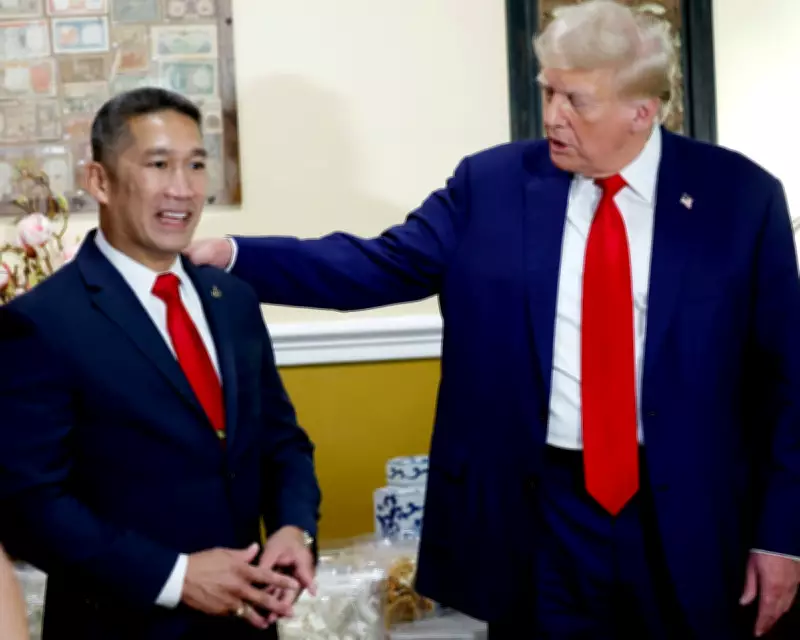
Undersecretary Hung Cao has been appointed as the acting Secretary of the Navy, stepping into the role with immediate effect. This transition places Cao at the helm of naval operations during a period of heightened military activity in the Middle East.

The timing of this leadership shakeup is particularly noteworthy given the current operational context. The US Navy's enforcement of a blockade against Iranian ports represents a major military undertaking, one that requires stable and decisive command structures.
Strategic Implications
This change in naval leadership occurs as the Pentagon maintains its strategic focus on Middle Eastern security challenges. The blockade of Iranian ports, described as a "wartime" measure, underscores the seriousness of current US-Iran tensions and the importance of consistent military leadership during such operations.
While the Pentagon statement offered no rationale for Phelan's departure, such sudden changes in senior military positions during active operations typically signal either policy disagreements, strategic reassessments, or administrative realignments at the highest levels of defense planning.
The appointment of Hung Cao as acting secretary ensures continuity in naval command during this sensitive period. As undersecretary, Cao was already deeply involved in Navy operations and policy implementation, making him a logical choice to maintain operational stability during this transition.






