

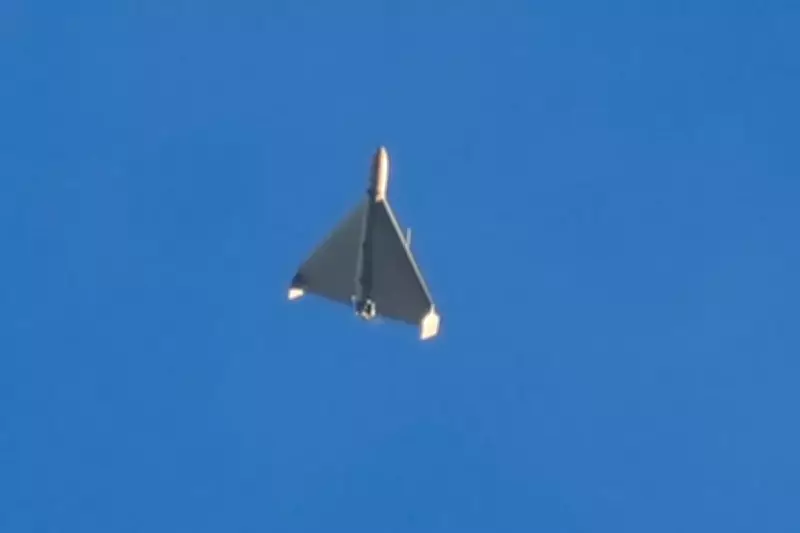
The United States is set to deploy its advanced Merops anti-drone system to the Middle East in a strategic move to enhance regional defenses against Iranian drone threats. This decision follows the system's demonstrated success in countering Russian drones during the ongoing conflict in Ukraine, highlighting its reliability in high-stakes environments.
Addressing Critical Defense Gaps
U.S. officials have expressed significant disappointment with the current anti-drone capabilities in the Middle East, which have struggled to effectively neutralize Iran's Shahed drones. These drones are notably simpler in design compared to the more sophisticated models used by Russia in Ukraine, yet they pose a persistent security challenge. The deployment of Merops aims to fill this critical gap, providing a robust solution to intercept and disable hostile drones before they can cause damage.
Enhanced Features and Operational Resilience
The Merops system is distinguished by its compact design and advanced artificial intelligence, which enables rapid identification and interception of drone targets. A key advantage is its ability to operate effectively even in environments where satellite and electronic communications are jammed, ensuring continuous functionality during conflicts. This resilience makes it particularly suited for the volatile conditions of the Middle East, where electronic warfare tactics are increasingly common.

Regional Security Concerns
The deployment comes amid heightened tensions in the region, with concerns about potential Iranian retaliatory actions following recent American and Israeli strikes. By bolstering anti-drone defenses, the U.S. aims to mitigate risks and protect allied interests across the Middle East. The move underscores a broader strategy to leverage proven military technology from one conflict zone to address emerging threats in another, ensuring a proactive approach to regional stability.
As the situation evolves, the integration of Merops into Middle Eastern defense networks is expected to provide a significant deterrent against drone-based attacks, enhancing overall security and demonstrating the U.S. commitment to supporting its allies in the face of escalating threats.






