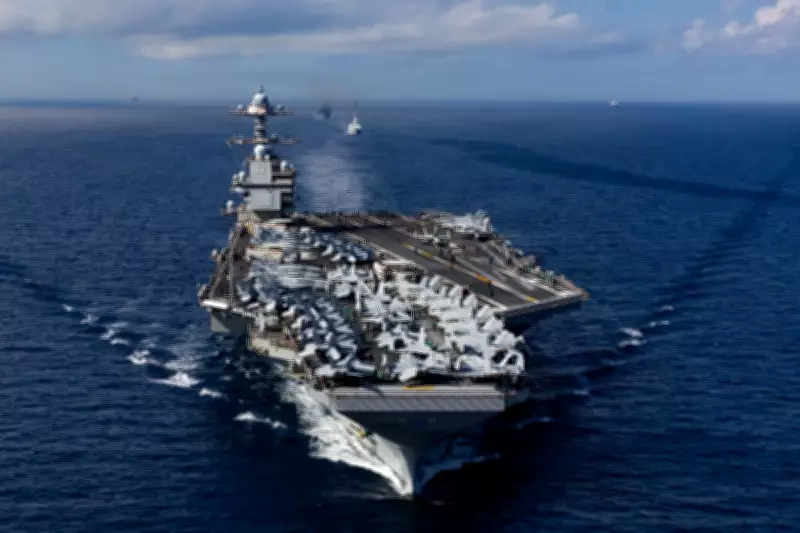
US Deploys Additional Warships and Troops to Middle East Amid Escalating Iran Conflict
The United States is significantly increasing its military presence in the Middle East by sending more warships and troops to the region, as Iran continues to escalate its attacks on the Strait of Hormuz. This move comes amid a raging conflict that shows no signs of slowing down, with both sides demonstrating heightened defiance and military readiness.
Pentagon Approves Marine Expeditionary Unit Deployment
According to a report from the Wall Street Journal, the Pentagon is dispatching a Marine expeditionary unit to defend against Iranian aggression. Three US officials confirmed that this unit, typically composed of multiple warships and approximately 5,000 troops, was requested by Centcom and approved directly by Defense Secretary Pete Hegseth. The deployment underscores the US commitment to bolstering its defensive capabilities in the volatile region.
Conflict Intensifies with No End in Sight
The war, which was launched by the US and Israel on February 28, 2026, remains intense, with the US promising its largest strikes yet on Friday. Iran, on the other hand, is not backing down; some of its leaders have even participated in regime marches in the streets, openly defying President Donald Trump and his military actions. This public display of resistance highlights the deepening tensions and the potential for further escalation.

Recent Developments and Casualties
In related news, Centcom has confirmed that there were no survivors aboard a US military plane that crashed in Iraq, adding to the grim toll of the conflict. This incident underscores the high stakes and risks involved in the ongoing military operations, as both nations continue to engage in aggressive posturing and direct confrontations.
The situation remains fluid, with analysts warning that the increased US troop and warship presence could lead to more frequent and severe clashes. The international community is closely monitoring the developments, concerned about the broader implications for global stability and regional security.