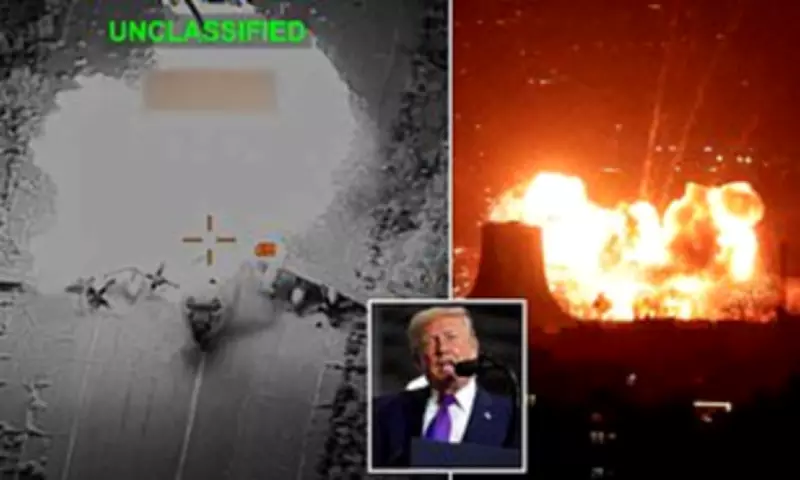
Pentagon Discloses Staggering $11.3 Billion Cost of First Week in Iran War
The United States military expenditure during the opening week of conflict with Iran reached an astonishing $11.3 billion, according to official estimates provided by the Pentagon to Congress. This financial revelation came during a confidential briefing earlier this week, as confirmed by sources familiar with the private meeting who spoke under condition of anonymity.
Munitions Expenditure and Congressional Funding
Of that colossal total, a remarkable $5 billion was allocated solely to munitions during the initial weekend of hostilities, as reported by US military authorities. The Trump administration had previously signaled intentions to submit a supplemental funding request to Congress for war expenses, but this initiative has currently stalled. Senator Roger Wicker, Republican chairman of the Senate Armed Services Committee, stated on Wednesday that he does not anticipate such a request materializing this month.
Strategic Developments and Economic Impact
Both combatants have entrenched their positions, each aiming to outlast the other while the conflict disrupts vital trade routes, constricts supplies of fuel and fertilizer from the Gulf region, and jeopardizes air traffic across one of the world's most heavily traversed corridors. US Central Command has been aggressively publicizing military successes, including social media posts showcasing the destruction of Iranian aircraft with accompanying declarations that Iranian air capabilities are being systematically dismantled daily.

The economic repercussions have been severe and immediate. Iran's targeting of oil fields and refineries in Gulf Arab nations, coupled with the effective blockade of cargo traffic through the critical Strait of Hormuz, has triggered a global energy crisis. This strategic waterway normally facilitates the passage of one-fifth of all internationally traded oil.
International Response and Reserve Releases
In response to these market disruptions, the International Energy Agency coordinated the largest emergency oil reserve release in its history, authorizing 400 million barrels to stabilize energy markets. The United States contributed to this effort by planning to release 172 million barrels from its Strategic Petroleum Reserve next week to combat escalating prices.
Gasoline prices have skyrocketed to an average of $3.6 per gallon from $2.9 before hostilities commenced, reaching levels not witnessed since Russia's invasion of Ukraine in 2022. These increased fuel costs are beginning to affect American consumers through higher transportation expenses that translate to elevated prices for groceries and various consumer products.
Presidential Statements and Military Claims
Former President Donald Trump asserted on Wednesday that the war would conclude "soon" despite the global economy reeling from oil price surges. In communications with Axios, Trump claimed unilateral control over the conflict's duration and boasted about exceeding original timetables while inflicting greater damage than anticipated. He specifically cited the destruction of sixteen Iranian mine-laying vessels designed to disrupt oil shipments through the Strait of Hormuz.
Trump emphasized that Iran must be held accountable for decades of regional aggression, stating they "will not get off that easy" for what he described as 47 years of destabilizing activities. These declarations coincide with Israeli and US officials indicating preparations to continue strikes against Iran for at least another fortnight, despite Trump's claims of largely accomplished objectives.
Human Toll and Commercial Disruption
The conflict has exacted a human cost, with seven US service members confirmed killed since strikes commenced on February 28. Meanwhile, commercial shipping has faced direct attacks, including an incident involving the Thailand-flagged bulk carrier Mayuree Naree, struck by an unidentified projectile north of Oman. Iran claimed responsibility for this attack, asserting that "American aggressors and their partners have no right to pass," while Omani naval forces rescued twenty crew members with three others missing.

Political Context and Public Opinion
Trump's sudden emphasis on concluding the conflict unfolds against a backdrop of declining public approval regarding his handling of the war ahead of the 2026 midterm elections. Recent polling indicates his approval rating has dropped to 44 percent, representing a four-point decrease from the previous week and the lowest recorded figure in ongoing tracking surveys.
The Pentagon's staggering financial disclosure, combined with the multifaceted economic and strategic consequences of the Iran conflict, underscores the profound implications of sustained military engagement in the volatile Middle East region.