

US Military Conducts Deadly Strike on Suspected Drug Vessel in Pacific
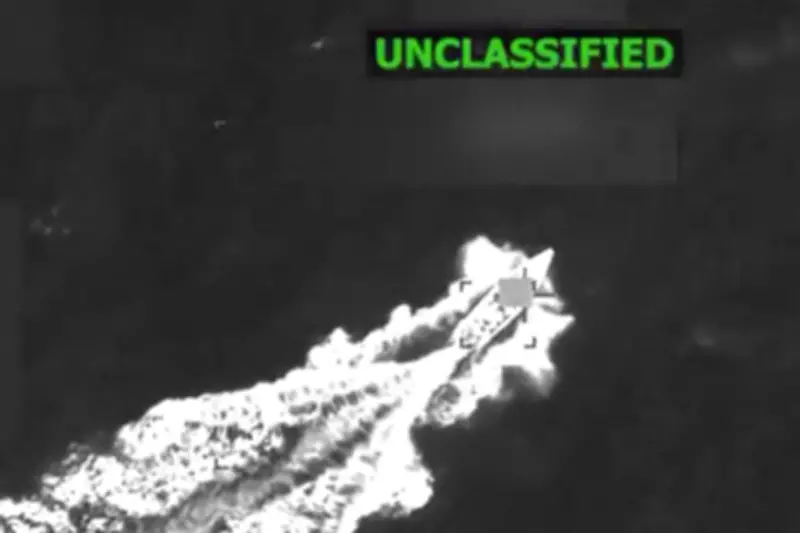
The United States military has launched another lethal strike on a vessel suspected of narco-trafficking in the eastern Pacific Ocean. This operation resulted in the deaths of two individuals, with one survivor rescued from the scene. The incident marks a continuation of aggressive maritime enforcement actions targeting alleged drug smuggling operations in international waters.
Escalating Fatalities in Anti-Drug Campaign
This latest strike contributes to a grim tally of approximately one hundred and thirty fatalities resulting from similar military actions carried out under the Trump administration. These operations have consistently targeted boats accused of transporting illicit narcotics, raising concerns about the humanitarian and legal implications of such deadly force in maritime interdiction efforts.
Parallel Boarding Operation in Indian Ocean
In a separate but related development, US military forces have boarded a sanctioned oil tanker in the Indian Ocean. This action forms part of a broader "oil quarantine" strategy designed to exert economic pressure on Venezuela by preventing the circumvention of international sanctions. The tanker was reportedly linked to Venezuelan interests, highlighting the geopolitical dimensions of these maritime operations.

Defense Secretary Confirms Military Resolve
Defense Secretary Pete Hegseth publicly confirmed the boarding operation, emphasizing the military's unwavering determination to intercept all vessels attempting to evade sanctions. "Our forces remain vigilant and resolved in their mission to uphold international law and disrupt illicit activities," Hegseth stated, underscoring the administration's commitment to this hardline approach.
Recent Strike Follows Controversial Claim
This deadly Pacific strike occurred shortly after Secretary Hegseth made an unsubstantiated claim that cartels had ceased their trafficking operations. The timing raises questions about the accuracy of intelligence assessments and the strategic communication surrounding these high-risk military engagements. Another similar strike was reported just last week on a vessel accused of drug trafficking in the same region, indicating a pattern of intensified enforcement.
The confluence of these events—deadly strikes against alleged drug vessels and the boarding of sanctioned oil tankers—illustrates a multifaceted US military strategy aimed at combating both narcotics trafficking and economic sanctions evasion. These operations continue to provoke debate regarding their effectiveness, legality, and human cost in the complex arena of international maritime security.






