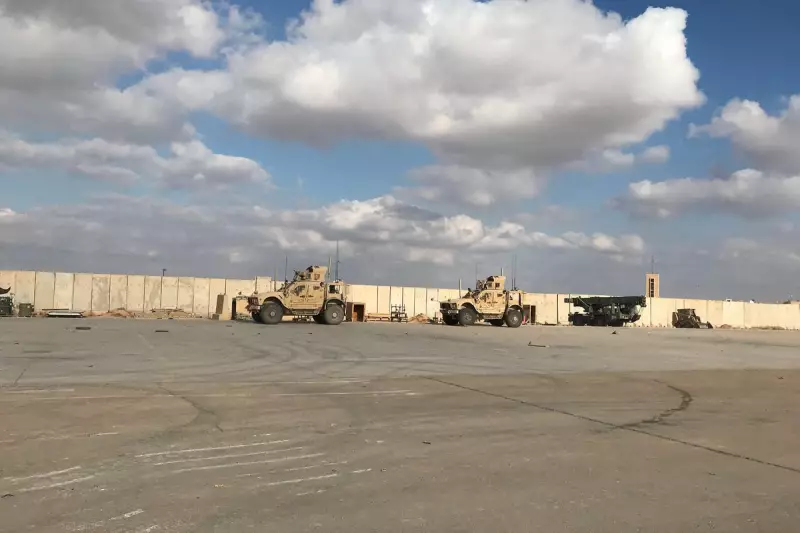
The Iraqi Army has taken full control of the strategic Ain al-Asad air base in western Iraq, following the confirmed departure of all remaining United States military personnel. The move, confirmed by Iraqi officials on Saturday 17 January 2026, marks a pivotal moment in the planned drawdown of the US-led international coalition in the country.
Timeline of a Strategic Handover
This withdrawal fulfils part of a 2024 agreement between Washington and Baghdad to conclude the coalition's combat mission against the Islamic State group by September 2025. While the original schedule aimed for a full pullout from Ain al-Asad by that date, Iraqi Prime Minister Mohammed Shia al-Sudani cited "developments in Syria" in October as the reason for temporarily retaining a small contingent of 250 to 350 US advisers and security personnel. That residual force has now entirely left the base.
Iraqi Command Assumes Control
Overseeing the formal transfer of authority was Iraqi Army Chief of Staff Lt. Gen. Abdul Amir Rashid Yarallah. A subsequent military statement outlined his orders to assigned units to intensify efforts, enhance joint work, and fully utilise the base's capabilities and strategic location. An anonymous Ministry of Defence official verified that all American forces and their equipment had departed. Notably, the US military has not issued an official statement regarding the completion of this specific withdrawal.

Implications for Iraqi Sovereignty and Security
The departure from this major installation could significantly bolster the Iraqi government's stated aim of disarming non-state armed factions. Some of these groups have historically used the presence of foreign troops as a rationale for maintaining their own arsenals. Prime Minister al-Sudani argued in a July interview that once the coalition withdrawal is complete, "there will be no need or no justification for any group to carry weapons outside the scope of the state." While US forces maintain a presence in Iraq's Kurdish region and in neighbouring Syria, the handover of Ain al-Asad represents a concrete step towards the full resumption of Iraqi control over its own security infrastructure.