Veterans and Military Families Blast White House's Use of War Memes
Families of fallen American soldiers and military veterans have issued a scathing rebuke of President Donald Trump's administration over its use of internet memes and pop culture references in social media posts addressing the ongoing conflict with Iran. Critics argue that this approach trivialises the profound sacrifices made by service members and their loved ones.
Pop Culture References Replace Solemn Updates
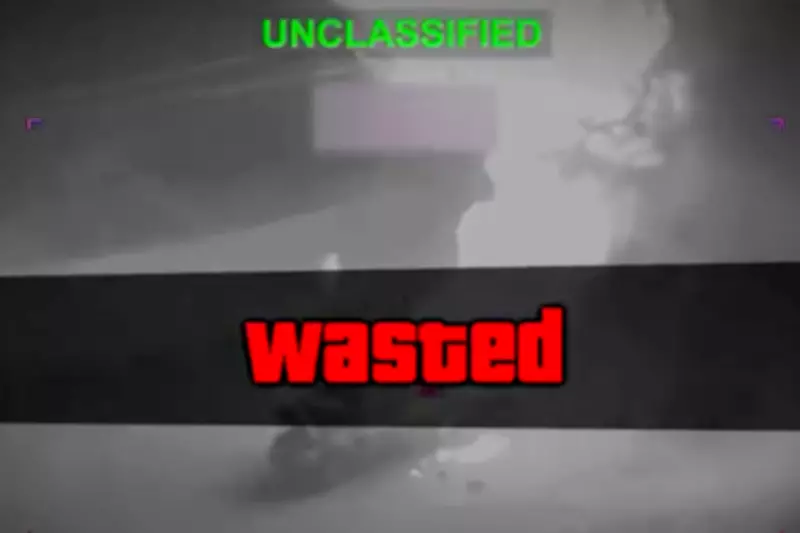
Rather than providing dignified updates on a war that has already claimed at least 13 American lives and left another 200 injured, the White House communications team has been producing posts filled with references to video games like Call of Duty and Grand Theft Auto, films including Top Gun and Marvel movies, and television shows such as SpongeBob SquarePants and Dragon Ball Z. These posts frequently mash together actual news footage with humorous clips from popular entertainment, creating a jarring contrast with the reality of military operations.
This messaging strategy stands in stark opposition to the solemn ceremonies that occur at Dover Air Force Base in Delaware, where the bodies of fallen service members are returned home with dignity and respect. The visual disparity between these transfer ceremonies and the White House's meme-laden content has drawn particular criticism from those directly affected by the conflict.

Veterans Voice Their Disgust
Retired U.S. Army colonel Joe Buccino told The Washington Post that the administration was "completely diminishing what they're asking the nation to do in Iran." He added, "It seems almost obscene relative to the actual violence and suffering that's involved with this."
Connor Crehan, a veteran who co-hosts Barstool Sports' Bold American podcast, expressed similar sentiments, stating that the posts left a sour taste. "Serving in Iraq, seeing my friends pay the ultimate sacrifice... knowing the toll it took on our country, I don't love the idea we're turning around and making hype videos," he said. "I can't imagine how it feels like for those family members of people who signed up to serve the country and did so proudly... to then see the White House making videos like, 'Look at all these cool explosions.'"
Political Figures Join the Criticism
The controversy has extended to Capitol Hill, where several veterans serving in Congress have voiced their offense. Illinois Senator Tammy Duckworth, herself a former Army helicopter pilot who lost both legs in combat, declared that "war is not a f***ing video game." Colorado Representative Jason Crow, an Army Ranger veteran, called the White House's approach "sick and morally bankrupt," adding, "Our service members deserve so much better than this."
John Vick, executive director of Concerned Veterans for America, noted that while the military's successes should be celebrated, "gamifying or making light of war also undermines the sacrifice of the Americans who have died, and obfuscates the cost of open-ended conflict." He emphasised that most Americans, particularly veterans, want clear communication about achieving victory and concluding the war.
White House Defends Its Strategy
The Trump administration has consistently defended its unconventional communications approach. White House spokeswoman Anna Kelly previously told The Independent, "Under the decisive leadership of President Trump, America's heroic warfighters are meeting or surpassing all of their goals under Operation Epic Fury. The legacy media wants us to apologize for highlighting the United States military's incredible success, but the White House will continue showcasing the many examples of Iran's ballistic missiles, production facilities, and dreams of owning a nuclear weapon being destroyed in real time."
Steven Cheung, Trump's communications director, responded to criticism from pop star Kesha about the use of her work in one post by claiming that such outrage actually benefits their strategy. "All these 'singers' keep falling for this," he wrote on X. "This just gives us more attention and more view counts to our videos because people want to see what they're b****ing about."

An unnamed official quoted by Politico further explained the administration's perspective: "We're over here just grinding away on banger memes, dude. There's an entertainment factor to what we do. But ultimately, it boils down to the fact that no one has ever attempted to communicate with the American public this way before."
Broader Pattern of Meme Warfare
This incident is not isolated within the Trump administration. Under former Department of Homeland Security head Kristi Noem, the agency faced similar criticism for its meme warfare tactics, including a video of Immigration and Customs Enforcement raids on alleged undocumented migrants set to the Pokemon theme song. This pattern suggests a deliberate strategy to use provocative, attention-grabbing content to communicate government actions, regardless of the sensitive nature of the subject matter.
The ongoing debate highlights a fundamental clash between traditional, solemn approaches to military communication and a new, media-savvy strategy that prioritises engagement and virality over decorum. For veterans and military families, however, the cost of this approach is measured in the dignity owed to those who have sacrificed everything.