

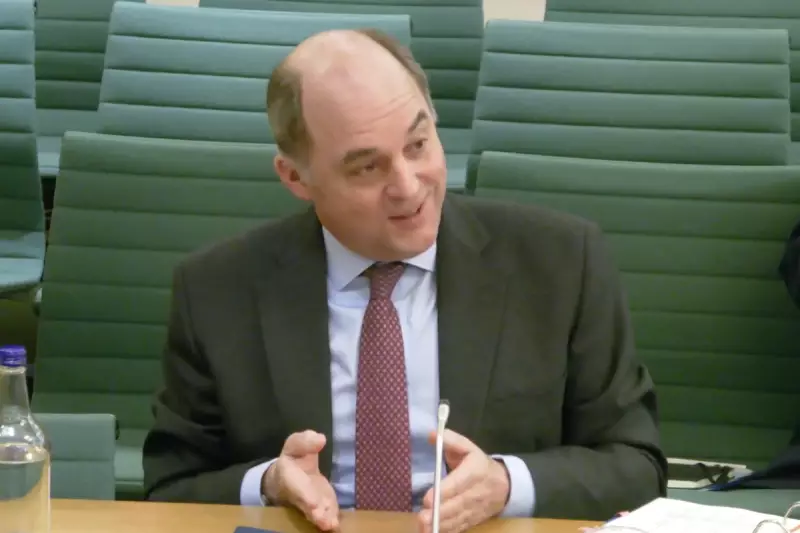
Sir Ben Wallace Condemns Use of Secret Gagging Order Over Afghan Data Breach
Former defence secretary Sir Ben Wallace has stated he would not have supported the deployment of a secret gagging order to conceal the catastrophic Afghan data breach, which potentially placed thousands of Afghans who assisted UK forces at risk from the Taliban. Speaking to MPs on Tuesday, Sir Ben expressed his surprise that members of the defence committee were not informed about the incident earlier.
Injunction Was Meant to Be Time-Limited, Not a Cover-Up
Sir Ben Wallace clarified that he had directed officials to use a time-limited injunction to protect information about the data leak while the Ministry of Defence scrambled to understand what had gone wrong. However, he emphasised that he was clear from the outset that the government should not entirely cover up the breach.
"We are not covering up our mistakes," Sir Ben told officials. "The priority is to protect the people in Afghanistan and then open it up to the public. We need to say a certain amount are out of danger."

The data breach occurred in 2022 when an official mistakenly emailed a spreadsheet containing contact details outside of the MoD. It was discovered in August 2023 and led to thousands of Afghans being secretly relocated to the UK. The public only learned of the leak in July when a High Court judge lifted the unprecedented superinjunction, following a successful legal challenge by The Independent and other media organisations after 22 months.
Superinjunction Deemed Unnecessary and Inappropriate
Sir Ben Wallace explicitly criticised the use of a superinjunction, which is so strict that even mentioning its existence is forbidden. "I didn't think it was the right thing to do. I didn't think it was necessary," he said regarding an indefinite injunction.
He explained that the injunction should only have been in place for as long as it took the MoD to quantify the number of people whose data had been breached. "I said 'we're not doing that'. The only thing we're going to do is we need to basically hold off in public until we get to the bottom of the threat these people are under," Sir Ben added. "I said we won't cover up our mistakes, we'll talk about them."
Sir Ben suggested that public bodies should be accountable and that alternative measures, such as contacting journalists directly to request a temporary hold on reporting due to safety concerns, would have been more appropriate. "Most journalists don't want to put people at risk," he noted.
MoD Procedures Failed and Public Kept in Dark on Threats
Reflecting on the breach, Sir Ben Wallace attributed it to a failure in MoD procedures. "Someone didn't do their job," he said, explaining that he had implemented new checking protocols after a previous Afghan data breach, but these clearly were not followed on this occasion.
Furthermore, Sir Ben argued that the public has been kept in the dark about general threats to the UK from bad actors, partly to justify low defence spending. "It's all secret and if it's all secret there's not going to be a competing public pressure on the exchequer for money," he told MPs. He pointed out that defence is lower on voters' priorities, but "that's partly because they don't know" the threats they face.
The MoD applied to the High Court for an injunction on the day Sir Ben left government, with a judge proactively granting a superinjunction. This move has now been openly questioned by the former defence secretary, highlighting ongoing concerns about transparency and accountability in government handling of sensitive security matters.






