Australia's High School Fees Among World's Most Expensive, New Research Finds
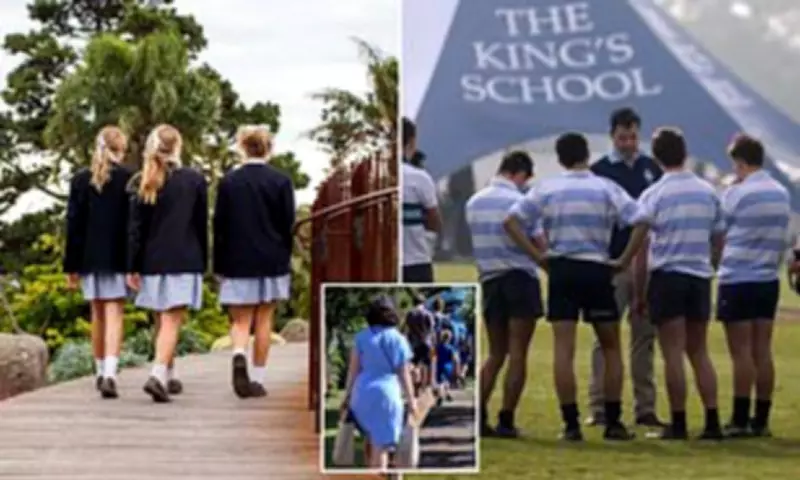
New research has uncovered that Australia stands as one of the most expensive places globally for families to send their children to high school. The comprehensive data, collected and analysed by The Australia Institute, highlights a significant financial burden on households across the nation.
Driving Factors Behind Soaring Educational Costs
The report, published on Monday, identifies two primary factors contributing to these elevated expenses. Firstly, Australia has an unusually high proportion of students attending private schools compared to many other developed nations. Secondly, the fees charged by these private institutions are themselves exceptionally high, creating a perfect storm for family budgets.
The findings indicate that the average Australian family spends approximately $4,967 annually to support a single child through high school. This figure is staggering when placed in an international context, representing almost four times the average cost observed across the 38 member nations of the Organisation for Economic Co-operation and Development (OECD).

The Private School Premium and Funding Controversy
For families opting for private education, the financial commitment escalates dramatically. Annual fees can soar to as much as $55,000 per child, placing immense strain on household finances. Richard Denniss, co-CEO of The Australia Institute, criticised the current funding model, arguing that governments are directing public money towards private schools that do not demonstrate a need for such support.
'Australia's private schools are expanding, and their fees continue to rise,' Mr Denniss stated. 'Yet this substantial financial investment is not correlating with improved educational outcomes. In fact, as private school revenues and enrolments have increased, Australia's performance on key international academic tests has shown a decline.'
Calls for Systemic Reform in Education Funding
The report raises serious questions about what it terms 'double-dipping,' where wealthy schools charge parents premium fees while simultaneously receiving taxpayer funding. 'This practice is prohibited in numerous other countries,' Mr Denniss emphasised. 'It is clearly not benefiting Australian students, the broader economy, or the Commonwealth budget.'
He pointed to examples of elite schools funding facilities like indoor swimming pools and rifle ranges, questioning why such institutions should qualify for public subsidies. The data positions Australia well ahead of other comparable nations in terms of school fee costs, underscoring the urgency for a policy reassessment.
Towards a More Equitable System
Mr Denniss advocated for a radical overhaul of the funding system, suggesting that redirecting resources from affluent private schools into the public sector would help level the educational playing field. 'Such a shift would also incentivise more families to choose public schools, potentially saving them a significant amount of money,' he explained.
The current government policy, the report concludes, has fostered a two-tier education system that fails to control private school fees or enhance national academic performance. 'It is time to acknowledge that the system requires fundamental reform, not merely minor adjustments at the margins,' Mr Denniss urged, calling for a decisive move to support both students and taxpayers more effectively.