Reform UK has stated it would refuse visas to individuals from any country seeking reparations for the transatlantic slave trade, as global calls for reparative justice intensify. The party's home affairs spokesperson, Zia Yusuf, declared the UK was being “ridiculed on the world stage” and that the “bank is closed” to those attempting to “use history as a weapon to drain our Treasury”.
Caricom, the political bloc of Caribbean nations, has long contested this characterisation, emphasising that nations pursuing reparative justice seek a mutually beneficial partnership rather than unilateral payments.
Last month, a resolution led by Ghana was passed at the UN General Assembly, describing the slave trade as “the gravest crime against humanity” and calling for reparations as “a concrete step towards remedying historical wrongs”. The resolution received 123 votes in favour, with the US voting against and the UK abstaining.

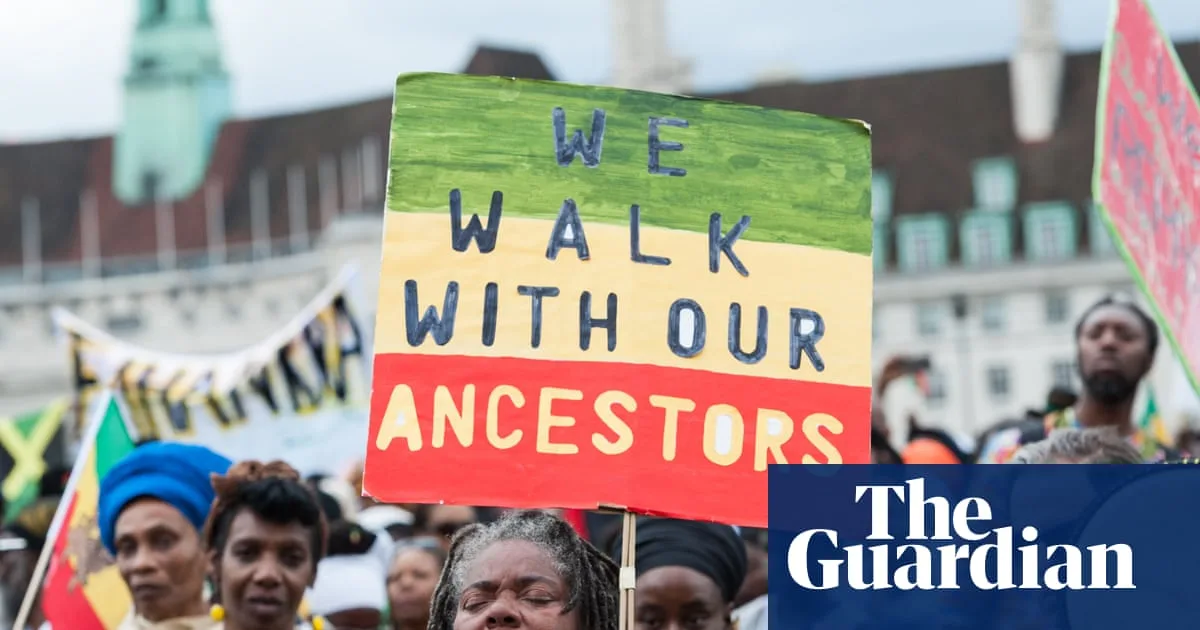
Campaigners for reparations are demanding acknowledgment of historical injustices, debt cancellation, and investment in education, health, and infrastructure in affected communities, rather than direct financial compensation.