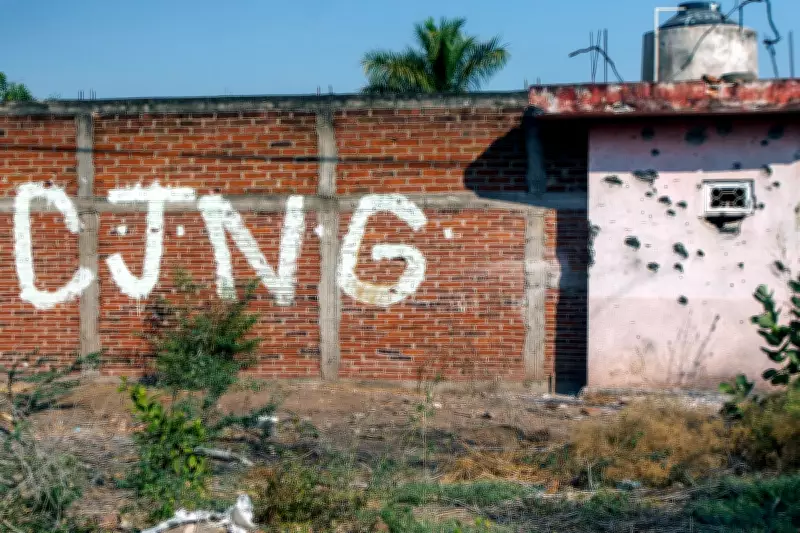
Argentina Follows US Lead in Labeling Mexican Cartel as Terrorist Group
Argentina has officially designated the Jalisco New Generation Cartel, commonly known as CJNG, as a terrorist organization. This significant policy move aligns the South American nation more closely with the stance of its ally, the United States, which took similar action under the Trump administration last year.
The Violent Legacy of CJNG
The Jalisco New Generation Cartel stands as one of Mexico's most powerful and notoriously violent criminal enterprises. This organization has been directly implicated in large-scale fentanyl trafficking operations, widespread extortion schemes, and numerous brutal attacks targeting Mexican security forces. In a pivotal development earlier this year, the network's leader, Nemesio Oseguera, infamously known as "El Mencho," was killed during a surprise military operation conducted by the Mexican army with intelligence support from the United States.
The Trump administration formally labeled CJNG as a foreign terrorist organization in 2025 as part of a broader strategic effort to target major Mexican cartels. Argentina, under the leadership of President Javier Milei, has previously designated other groups, including Hamas and Iran's Quds Force, as terrorist organizations, demonstrating a consistent policy approach.

Basis for the Designation and Its Implications
The Argentine government stated that its decision to designate CJNG was grounded in comprehensive official reports. These documents meticulously detail the cartel's extensive "illicit transnational activities" and its established connections to other recognized terrorist groups. The terrorist designation carries substantial legal and operational consequences, primarily enabling the implementation of stringent financial sanctions and operational restrictions designed to severely limit the cartel's ability to function within Argentine territory.
Political Context and Regional Reactions
This development occurs against a backdrop of mounting pressure from Washington on Mexican President Claudia Sheinbaum to intensify her government's offensive against powerful drug cartels. Mexico has historically resisted labeling its domestic criminal organizations as terrorist entities, maintaining a firm position that these cartels are primarily motivated by profit rather than political ideology, which distinguishes them from other groups on international terror lists.
The immediate reactions from key diplomatic channels were notably absent. The U.S. State Department did not provide an immediate response to requests for comment regarding Argentina's decision. Similarly, spokespeople for Mexico's foreign ministry and for President Sheinbaum's office did not have immediate comments available, highlighting the sensitive and complex nature of this international policy alignment.