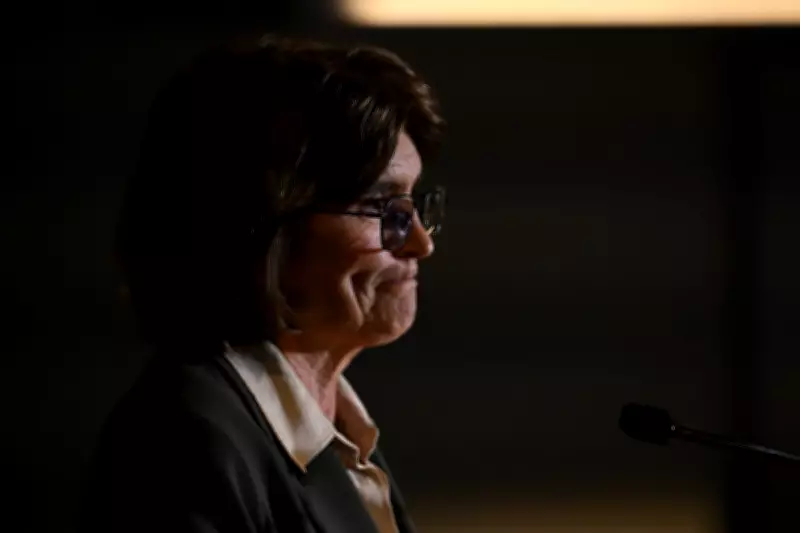
Reserve Bank of Australia Governor Michele Bullock has sparked a significant debate after stating that Australians are becoming poorer due to conflicts on the other side of the world. Her remarks, made during a recent economic address, highlight the interconnected nature of global geopolitics and domestic economic health.
Bullock's Statement
Bullock argued that wars and geopolitical tensions, particularly in Europe and the Middle East, are contributing to higher inflation and supply chain disruptions, which ultimately reduce the purchasing power of Australian households. She noted that the ongoing conflict in Ukraine and instability in the Middle East have led to energy price spikes and trade uncertainties, affecting Australia's trade-dependent economy.
Economic Impact
The governor's logic is hard to fault: Australia, as a major exporter of commodities, is sensitive to global demand and price volatility. The war in Ukraine has disrupted grain and energy markets, while tensions in the Middle East threaten oil supplies. These factors have pushed up costs for Australian businesses and consumers, eroding real incomes. Bullock emphasized that monetary policy alone cannot shield the economy from such external shocks.

Reactions
Economists have largely supported Bullock's analysis, pointing out that Australia's prosperity is tied to global stability. However, some critics argue that domestic policy failures, such as insufficient investment in renewable energy and housing, also play a role. Opposition leaders have used her comments to criticize the government's handling of economic pressures.
Broader Implications
The remarks also raise questions about the Reserve Bank's ability to manage inflation in a volatile global environment. With the RBA raising interest rates to combat inflation, Bullock's statement suggests that external factors may limit the effectiveness of such measures. The debate underscores the challenges facing central banks worldwide as they navigate an increasingly fragmented global economy.
In conclusion, Bullock's frank assessment serves as a reminder that no nation is immune to the economic consequences of distant conflicts. Australians, like many others, are feeling the pinch from wars they did not start, highlighting the need for international cooperation and domestic resilience.