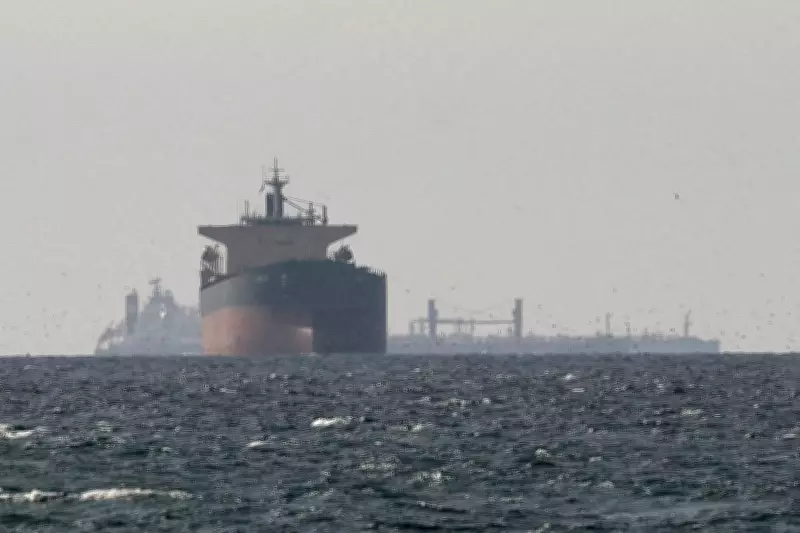
China Demands Iran Reopen Strait of Hormuz Amid US Naval Blockade
China has issued a direct demand to Iran on Thursday, urging the immediate reopening of the strategically vital Strait of Hormuz. This critical waterway, a major global oil transit route, has become a focal point of escalating tensions in the Gulf region.
Diplomatic Pressure Mounts as US Enforces Blockade
The Chinese intervention comes as the United States enforces a stringent naval blockade on Iranian ports, with American vessels actively patrolling the Gulf of Oman. This military posture has significantly heightened regional instability and disrupted international shipping lanes.
During high-level discussions, China's Foreign Minister Wang Yi conveyed a clear message to his Iranian counterpart, Abbas Araghchi. Wang emphasised that while Iran's sovereignty and security concerns in the Strait of Hormuz must be fully respected and safeguarded, the fundamental principles of freedom and safety of navigation through this crucial maritime passage must also be guaranteed without compromise.

International Consensus for Normalised Navigation
Wang Yi highlighted that there exists unanimous interest across the international community for the prompt restoration of normal navigation operations in the strait. He characterised the current situation as being at a critical stage of transformation, noting that the window for achieving a peaceful resolution appears to be opening.
China has explicitly stated its support for maintaining the existing ceasefire arrangements and continuing negotiations. According to Wang, these diplomatic efforts serve the interests of Iran, the broader Middle Eastern region, and the global community at large.
China's Commitment to Regional Stability
The Chinese foreign minister further affirmed that China remains willing to continue its proactive diplomatic efforts to ease tensions and promote the improvement of relations between countries throughout the region. This commitment underscores Beijing's growing role as a mediator in Middle Eastern geopolitics.
The Strait of Hormuz represents one of the world's most significant maritime chokepoints, with approximately one-fifth of global oil consumption passing through its narrow waters. Any prolonged closure or disruption could have severe consequences for international energy markets and economic stability worldwide.
This diplomatic development follows recent statements from former US President Donald Trump regarding the strategic waterway, though Chinese officials have not directly referenced these comments in their current communications with Iranian leadership.