

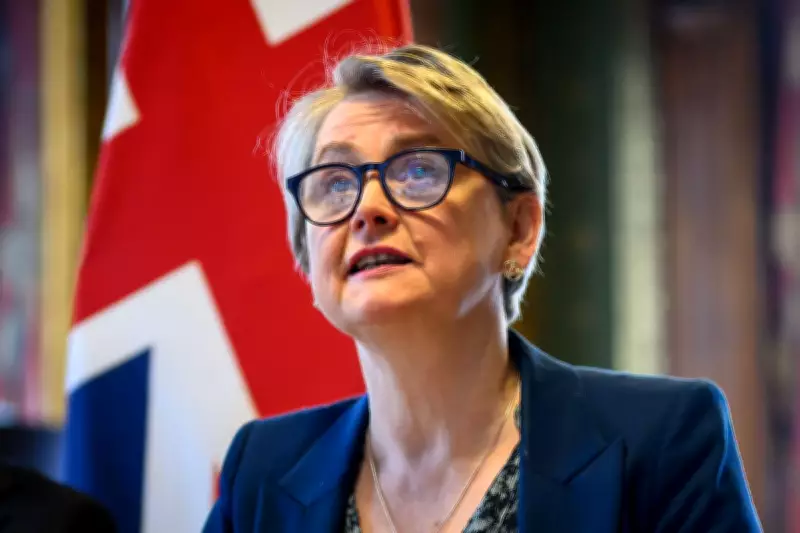
Foreign Secretary Yvette Cooper has issued a stark warning, describing the imminent end of a two-week ceasefire between the United States and Iran as a critical diplomatic moment. The Labour Cabinet minister emphasised the severe impact of the ongoing closure of the Strait of Hormuz, stating it is hitting the global economy hard as international efforts continue to safeguard this crucial shipping route.
Uncertainty Over Talks Amid Rising Tensions
Ms Cooper made her comments as significant uncertainty hangs over further negotiations between Washington and Tehran, scheduled to take place in Pakistan before the fragile truce expires on Wednesday. Doubt has been cast on the prospects for renewed peace talks following a recent incident where the US seized an Iranian cargo ship. American authorities claimed the vessel was attempting to run its blockade of Iranian ports, an action Tehran has condemned as armed piracy and threatened retaliation for.
In response to this escalating stand-off over the strategically vital strait, oil prices have risen once again, adding pressure to an already strained global economic situation. The Strait of Hormuz serves as a critical artery for international trade, particularly for oil shipments, making its closure a matter of urgent international concern.

Cooper's Diplomatic Push
Speaking in a video posted on social media platform X, Foreign Secretary Cooper stated unequivocally: "This is a critical diplomatic moment. As we're coming to the end of the two week agreed ceasefire on Iran, negotiations are starting, but the Strait of Hormuz is still closed, so international shipping is still restricted. That is hitting the global economy."
She revealed that she has been actively meeting with her foreign counterparts to discuss the paramount importance of reopening the Strait of Hormuz to ensure the free flow of international shipping. Her diplomatic efforts come at a time when the window for peaceful resolution appears to be narrowing rapidly.
Trump's Stance and Iranian Response
Meanwhile, US President Donald Trump has insisted he will not be rushed into making any deal with Iran. While dismissing claims that he is under pressure to reach an agreement, the American president indicated that a settlement would happen relatively quickly. In a post on his Truth Social platform, Trump wrote: "Time is not my adversary, the only thing that matters is that we finally, after 47 years, straighten out the mess that other presidents let happen because they didn't have the courage or foresight to do what had to be done with respect to Iran."
Asserting that the United States is winning the ongoing conflict, President Trump pledged to maintain the blockade against Iran until a satisfactory deal is reached. He argued that this economic measure is absolutely destroying Iran's economy and leverage. However, this hardline approach has drawn sharp criticism from Iranian officials.
Iran's chief negotiator and parliament speaker, Mohammed Bagher Qalibaf, responded forcefully, stating that Tehran does not enter negotiations in the face of threats. He accused the US president of attempting to turn the negotiating table into what he called a table of surrender, in a post published on X. This exchange highlights the deep-seated tensions and mutual distrust that continue to plague diplomatic efforts between the two nations.
The combination of economic pressure, military posturing, and diplomatic maneuvering creates a volatile situation as the ceasefire deadline approaches. With global economic stability at stake and regional security hanging in the balance, the coming days will test the resolve and flexibility of all parties involved in this high-stakes international standoff.






