EU Approves €90 Billion Loan Package for Ukraine
The European Union has officially approved a substantial €90 billion (approximately £77 billion) loan package for Ukraine, marking a significant financial commitment to bolster Kyiv's defence efforts against Russia. This decision comes after overcoming multiple hurdles, including opposition from Hungary, which had previously stalled the initiative.
How the Loan Mechanism Will Operate
The EU is set to provide interest-free loans to Ukraine for the years 2026 and 2027, with each year receiving €45 billion. This funding will be sourced through the EU's borrowing on capital markets, supported by the EU budget headroom—the margin between maximum member state contributions and anticipated expenditures.
Key to this arrangement is that Ukraine is not expected to repay the capital from its own funds. Instead, repayment is contingent upon Russia paying war reparations after the conflict concludes. The EU has frozen Russian central bank assets worth around €210 billion, which could be utilised for this purpose, avoiding the legally risky step of direct confiscation.

Allocation and Coverage of Funds
The €90 billion loan is designed to cover two-thirds of Ukraine's estimated total needs of €135 billion over the next two years. Each annual disbursement of €45 billion will be allocated as follows:
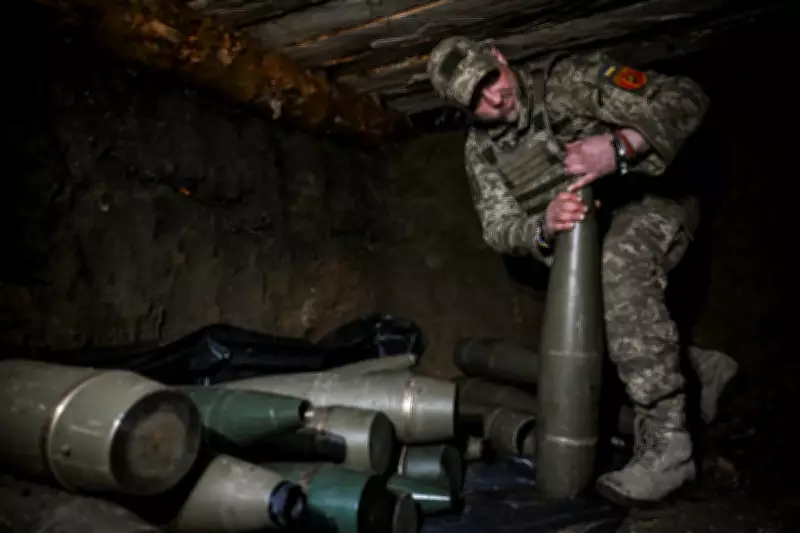
- €28 billion for military needs, enhancing defence capabilities against Russian aggression.
- €17 billion for general budget needs, supporting essential government functions and stability.
Brussels anticipates that other developed countries sympathetic to Ukraine will provide the remaining funding, which has already been pledged for 2026.
Overcoming Political and Logistical Hurdles
The loan package faced significant obstacles, primarily due to the requirement for unanimity among EU member states. Initial opposition came from Hungary, Slovakia, and the Czech Republic, nations often perceived as having closer ties to Moscow. These countries secured exemptions from the joint borrowing initiative, ensuring they would not participate financially.
Hungary's blockade intensified when Russian oil deliveries via the Druzhba pipeline through Ukraine were halted, reportedly due to damage from a Russian strike. However, prospects improved following the election defeat of outgoing Prime Minister Viktor Orban on 12 April. His successor, Peter Magyar, indicated he would not oppose the loan disbursements. Additionally, repairs to the Druzhba pipeline have been completed, with oil flows set to resume, further easing tensions.
Strategic Implications for the War with Russia
This loan package represents a strategic move by the EU to support Ukraine without direct confiscation of Russian assets, mitigating legal risks. By leveraging frozen Russian funds as a guarantee, the scheme aims to ensure Moscow ultimately bears the cost of the conflict. The financial injection is expected to strengthen Ukraine's military and economic resilience, potentially impacting the war's dynamics by providing sustained resources over the next two years.
EU leaders had agreed in principle last December to jointly borrow the funds, with the recent developments overcoming the final barriers. This approval underscores the EU's commitment to Ukraine's defence and recovery, while navigating complex political landscapes and logistical challenges.