

The Rise of the Female Gaze in Modern Entertainment
In today's pop culture landscape, a significant shift is underway as the female gaze gains prominence across film, television, and fiction. This storytelling approach, which focuses on the nuanced inner worlds, agency, and desires of women, has moved from niche interest to mainstream phenomenon, captivating audiences and proving lucrative for the industry.
From Guilty Pleasure to Cultural Zeitgeist
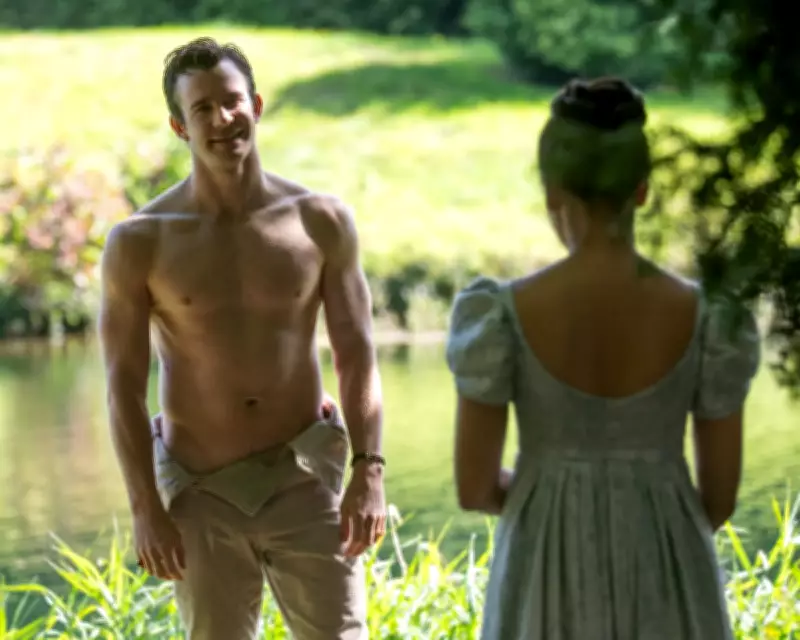
Once considered a guilty pleasure, narratives centered on female subjectivity are now at the heart of contemporary culture. Television series like Bridgerton, Big Little Lies, and Little Fires Everywhere explore the complex interior lives of women, while romantasy novels by authors such as Sarah J. Maas and Rebecca Yarros offer fantastical realms where female protagonists wield power and experience explicit sexuality. Films like Emerald Fennell's Wuthering Heights adaptation translate women's experiences into visually striking cinema, challenging traditional male-centric perspectives.
Historical Context and Mainstream Breakthrough
The concept of the female gaze emerged as a counterpoint to the male gaze, a theory coined by film scholar Laura Mulvey in 1973 that critiques the objectification of women in media. While arthouse cinema has long subverted this, with works like Jane Campion's The Piano and Céline Sciamma's Portrait of a Lady on Fire, mainstream acceptance has been slower. Today, however, the female gaze is not only culturally resonant but also commercially successful, with romantasy generating over $610 million in annual sales and shows like Dying for Sex earning critical acclaim and Emmy nominations.

Key Examples and Industry Impact
Shows such as Dying for Sex, which portrays a woman's sexual awakening amid terminal illness, highlight the female gaze's ability to tackle taboo subjects with authenticity. Director Shannon Murphy notes that female-focused stories often embrace meandering, holistic narratives that reflect the feminine experience, moving away from simplistic plots. Similarly, series like Girls, I May Destroy You, and Heated Rivalry have garnered massive followings by depicting unvarnished female agency, friendships, and emotional depth, demonstrating that women-driven content can attract substantial audiences and budgets.
Commercial Success and Future Challenges
The financial success of female-gaze narratives is undeniable. Bridgerton ranks among Netflix's most-watched shows, while romantasy books boost publishers' revenues and dominate social media platforms like BookTok. Despite this progress, experts like Iris Brey warn of fragility, pointing to projects like Kristen Stewart's The Chronology of Water, which faced funding hurdles due to its challenging themes. Representation remains limited, with calls for more diverse stories exploring menopause, motherhood, and intersectional identities.
Cultural Shifts and Lasting Change
This cultural movement parallels broader feminist waves, gaining momentum post-#MeToo as industries recognize the economic potential of women-centric stories. Authors like Jennifer L. Armentrout emphasize that romantasy allows for relatable heroines with mental health issues or disabilities, reframing traditional tropes and promoting equality in relationships. Ultimately, the goal is for the female gaze to become normalized, moving beyond gendered discussions to simply being part of the creative landscape.
As the female gaze continues to evolve, it promises to enrich pop culture with deeper, more authentic portrayals of women's lives, desires, and connections, potentially reshaping how society views love, agency, and storytelling itself.






