Iran Attacks Three Ships in Strait of Hormuz Amid Ceasefire Extension
In a significant escalation of regional tensions, Iran's paramilitary Revolutionary Guard has attacked three ships in the strategically vital Strait of Hormuz. This aggressive move comes as U.S. President Donald Trump announced an indefinite extension of the ceasefire with Iran, throwing ongoing peace negotiations into disarray.
Ceasefire Extension and Stalled Diplomacy
President Trump confirmed that the United States is indefinitely extending its ceasefire with Iran, a development that has left a new round of peace talks in limbo. Pakistan had been scheduled to host these discussions, but the White House suspended Vice President JD Vance's planned trip to Islamabad after Iran rebuffed efforts to restart negotiations.
Iranian state television reported that Tehran acknowledged the ceasefire extension but provided no indication of readiness to attend fresh talks aimed at ending the conflict. Foreign Ministry spokesperson Esmail Baghaei stated that diplomacy serves as a tool for securing national interests, suggesting Iran would only engage when conditions align with its objectives.

Maritime Attacks and Regional Escalation
Semiofficial Iranian news agencies, including Nour News, Fars, and Mehr, reported that the Revolutionary Guard attacked a third vessel called the Euphoria on Wednesday. The reports indicated the ship became "stranded" on the Iranian coast without further elaboration. Iranian state television separately confirmed that the Guard has seized the other two ships attacked earlier, identified as the MSC Francesca and the Epaminondas.
The British military's United Kingdom Maritime Trade Operations center reported a second ship came under attack in the strait, though it did not immediately identify the perpetrator. These maritime incidents represent a clear escalation following recent U.S. seizures of Iranian vessels during ceasefire negotiations.
Broader Regional Implications
The situation in the Strait of Hormuz has raised concerns about the vulnerability of undersea data cables, with Iran's Tasnim news agency suggesting that simultaneous damage to multiple cables could trigger severe outages across the Persian Gulf. This warning comes as Britain and France gather military planners from approximately thirty countries to develop a security mission for the strait, contingent on a sustainable ceasefire.
Meanwhile, Hezbollah claimed responsibility for firing a drone at an Israeli post in southern Lebanon, violating the ten-day ceasefire that took effect on Friday. The Israeli military confirmed intercepting the "hostile aircraft" and emphasized that Hezbollah's actions represent a breach of the ceasefire agreement.
Economic and Humanitarian Consequences
The conflict continues to reverberate through global markets, with EU Energy Commissioner Dan Jørgensen warning that the energy crisis sparked by the war could impact prices for months or even years. He described the situation as potentially as serious as the 1973 and 2022 energy crises combined, costing Europe approximately 500 million euros daily.
Manufacturers are already feeling the pinch, with Florida-based toy company Aleni Brands reporting 10-15% cost increases for petroleum-derived materials like polyester and acrylic. CEO Ricardo Venegas noted this demonstrates how deeply oil permeates consumer products, affecting everything from stuffed toys to clothing.
Human Rights Concerns and Domestic Tensions
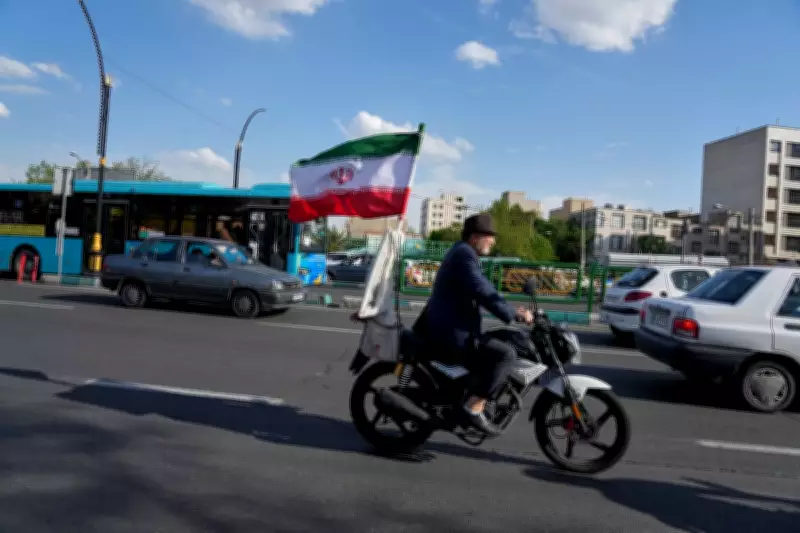
In Iran, residents expressed anxiety about the uncertain ceasefire situation. Tehran resident Reza Tehrani described his family staying awake overnight to learn whether the ceasefire would continue, while others voiced frustration about not knowing "where we stand."
Human rights organizations reported that at least two of eight Iranian women whose release President Trump called for remain in detention facing charges that could carry the death sentence. The Oslo-based Iran Human Rights center confirmed that two women—emergency doctor Golnar Naraqi and Bahai faith member Venus Hossein Nejad—have been out on bail since late March after being arrested during January's anti-government protests.

International Diplomatic Efforts
Pakistan continues its diplomatic efforts to keep negotiations alive, with top political and military leadership working to prevent talks from collapsing. Foreign Minister Ishaq Dar met with British High Commissioner Jane Marriott in Islamabad, discussing regional developments and Pakistan's facilitative role. Marriott appreciated Pakistan's efforts to bring the United States and Iran to the negotiating table.
China emphasized the imperative to prevent the conflict from reigniting, with Foreign Ministry spokesperson Guo Jiakun stating that the Middle East situation is at "a critical stage." He reiterated China's readiness to work with the international community to maintain peace based on principles proposed by President Xi Jinping.
Military Posturing and Executions
Iran displayed continued defiance through nationwide rallies featuring missiles and launchers brought into public spaces by the Revolutionary Guard. The demonstrations in cities including Ahvaz, Tehran, and Qom showcased weapons like the Faheh and Kheibar Shekan missiles, some containing cluster munitions used against Israel during the conflict.
Meanwhile, Iran's judiciary announced the execution of Mehdi Farid over alleged ties to Israel's Mossad intelligence agency, continuing a pattern of executions during the war and following January's protests. Human rights activists have criticized Iran's judicial processes, noting defendants often cannot properly defend themselves in closed-door trials.
As the situation remains volatile, with attacks continuing despite the ceasefire extension, regional stability hangs in the balance while diplomatic channels struggle to gain traction.