A ceasefire intended to facilitate peace negotiations between Washington and Tehran came into effect in April and has been largely observed, despite occasional exchanges of fire and reports of strikes in the strategically vital Strait of Hormuz. The waterway is now under a dual blockade by the United States and Iran, resulting in only a minuscule number of vessels passing through.
US Peace Proposal and Iran's Counter-Offer
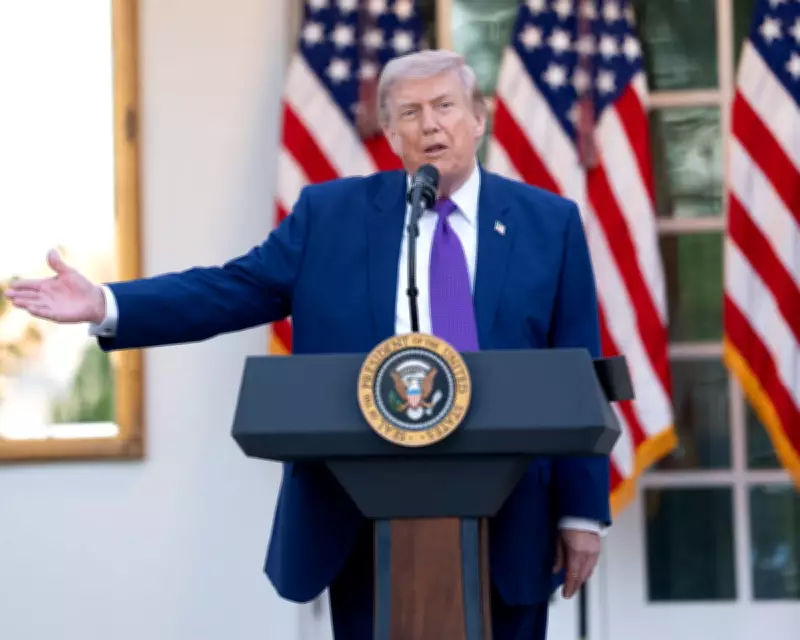
The United States presented a peace proposal a week ago. According to reports, the proposal was a one-page, 14-point memorandum of understanding that would reopen the strait while establishing a framework for further discussions on Iran's highly contested nuclear programme. Iran responded with a counter-offer sent to the US on Sunday, which President Donald Trump emphatically rejected, describing it as “totally unacceptable.”
Details of Iran's Demands
Tehran's proposal reportedly included several key demands: that the US lift its sanctions, end its naval blockade, and call for an immediate end to the war with guarantees against any renewed attack on Iran. Additionally, the proposal called on Israel to end its war on Lebanon.

The ceasefire, while fragile, has largely held since its inception. However, the dual blockade of the Strait of Hormuz continues to restrict maritime traffic severely. The strait is a critical chokepoint for global oil shipments, and the reduced traffic has significant implications for international energy markets.