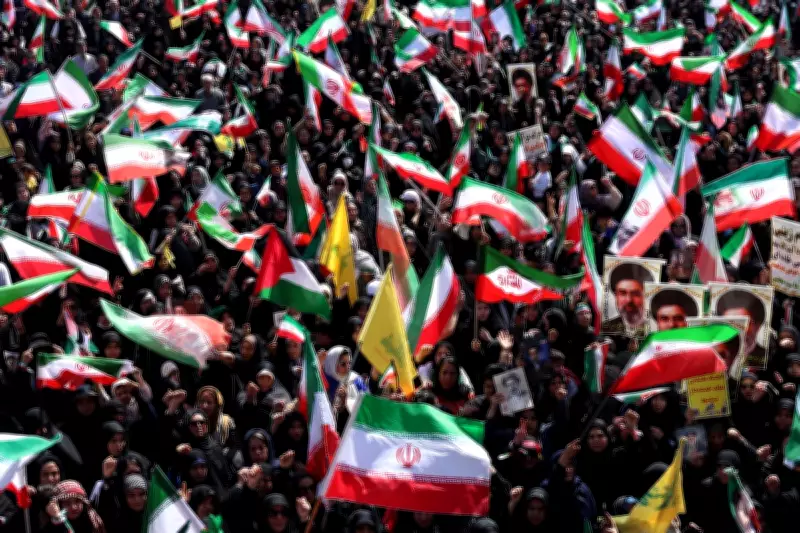
Iran has firmly rejected President Donald Trump's claims of a "great victory" following the reopening of the Strait of Hormuz, with a senior Iranian official stating that substantial differences between Tehran and Washington persist, particularly regarding nuclear issues and sanctions. The official, speaking to Reuters on Friday, emphasised that no agreement has been reached on the details of nuclear matters, contradicting Trump's celebratory tone.
Strait of Hormuz Reopened Amid Ongoing Tensions
Earlier on Friday, both the United States and Iran announced the reopening of the Strait of Hormuz, a critical global oil shipping route that had been at the centre of a weeks-long dispute. President Trump hailed this development as a "great victory" and declared the conflict over, but Iranian officials quickly countered this narrative.
The Iranian official clarified that keeping the strait open is "conditional on U.S. adherence to the terms of ceasefire" and stressed that significant issues remain unresolved. This statement underscores the fragile nature of the current ceasefire and highlights the ongoing diplomatic challenges.

Mediation Efforts and Future Talks
Tehran expressed hope that a preliminary agreement could be reached in the coming days, thanks to mediation efforts by Pakistan. The official mentioned the possibility of extending the ceasefire to "create space for more talks on lifting sanctions on Iran and securing compensation for war damages."
In exchange, Iran would provide assurances to the international community about the peaceful nature of its nuclear program. The official warned that any other "narrative about the ongoing talks is a misrepresentation of the situation," directly challenging Trump's optimistic portrayal.
Economic Implications and Global Response
The reopening of the Strait of Hormuz has already led to a plunge in oil and gas prices, providing some relief to global markets. However, the Iranian official's remarks suggest that the underlying geopolitical tensions are far from resolved, with nuclear issues and sanctions remaining key sticking points.
This development comes as Trump hinted at a potential visit to Pakistan if a deal is signed in Islamabad, adding another layer to the complex diplomatic landscape. The situation remains fluid, with both sides positioning themselves for future negotiations.