Iran Rejects US Peace Talks Amid Escalating Tensions
In a significant development, Iranian state media has reported that Tehran has no plans to participate in upcoming peace talks with the United States. This announcement came just hours after former US President Donald Trump stated he was dispatching negotiators to Islamabad for a scheduled Monday meeting. The state broadcaster IRIB cited Iranian sources in confirming the decision, casting doubt on diplomatic efforts to ease longstanding hostilities.
Trump's Threats and US Delegation Details
Donald Trump reiterated his aggressive stance, warning that US negotiators would be in Pakistan on Monday and threatening to destroy the country's power plants and bridges if no deal is reached. While Trump did not specify who would lead the delegation, a White House official indicated that Vice-President JD Vance would head the team. This move underscores the high-stakes nature of the negotiations, which have been marred by recent provocations.
Seizure of Iranian Cargo Ship and Retaliation Vows
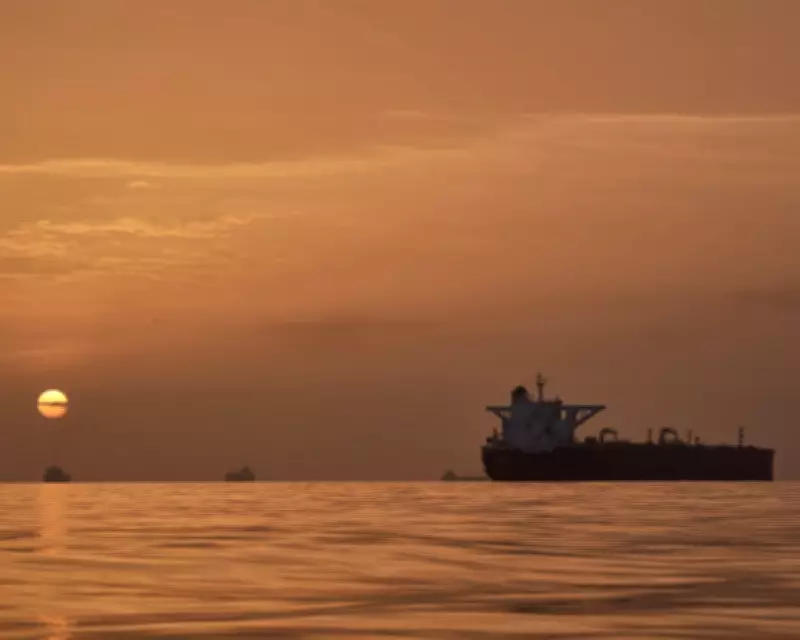
Tensions were further ratcheted up as the US announced it had seized an Iranian cargo ship, the M/V Touska, which attempted to run a blockade. Iran has vowed to retaliate for this action, and the US military later released footage showing US Marines rappelling onto the vessel. This incident highlights the volatile maritime dynamics in the region, with both sides engaging in brinkmanship that risks broader conflict.

Pakistan's Preparations and Security Measures
Despite the uncertainty, host Pakistan appeared to be preparing for the talks to proceed. Two giant US C-17 cargo planes landed at an airbase on Sunday afternoon, carrying security equipment and vehicles in anticipation of the US delegation's arrival, according to two Pakistani security sources. Barbed wire was rolled out near the Serena Hotel, the venue for last week's talks, and the hotel has instructed all guests to leave, indicating heightened security protocols.
Impact on Oil Prices and Global Markets
Oil prices surged significantly after Iran closed the Strait of Hormuz over the weekend, just a day after reopening it. Brent crude climbed to $95.64 per barrel, while West Texas Intermediate increased to $87.90 per barrel. This closure has disrupted global energy supplies, contributing to market volatility. However, equities across Asia rose in early trading on Monday, suggesting a mixed response from financial markets to the geopolitical tensions.
Other Regional Developments
In related news, the Israeli army confirmed the authenticity of an image circulating on social media that shows a soldier in Lebanon hitting a statue of Jesus Christ. The image appears to depict an Israeli soldier using a sledgehammer to strike the head of a statue of a crucified Jesus that had fallen off a cross. The Israeli army stated it viewed the incident with "great severity," adding that the soldier's conduct is "wholly inconsistent with the values expected of its troops."
Additionally, Iran's civil aviation authority announced that international flights will resume on Monday from Mashhad airport in the country's north-east, signaling a partial return to normalcy amid the ongoing diplomatic and military standoffs.