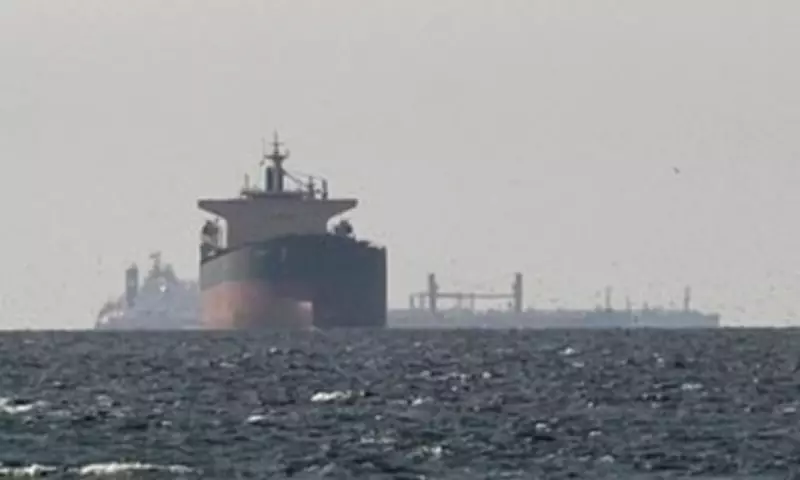
Iran Issues Stark Warning Over Strait of Hormuz Transit During Ceasefire
Iran has issued a severe warning that oil tankers will be destroyed if they attempt to travel through the Strait of Hormuz without explicit permission, as Tehran seeks to maintain strict control over this critical maritime passage during an ongoing two-week ceasefire period. The Islamic Republic is imposing unprecedented demands that shipping companies pay substantial tolls in cryptocurrency to access the waterway, which typically handles approximately twenty percent of global oil and gas shipments.
Cryptocurrency Tolls and Transit Procedures
The future of this essential passage has become a major point of contention between Washington and Tehran, with US President Donald Trump publicly calling for the complete restoration of free maritime traffic. According to Hamid Hosseini, spokesperson for Iran's Oil, Gas and Petrochemical Products Exporters' Union, Iran requires careful monitoring of all vessels during the ceasefire period to prevent potential weapons transfers.
'Iran needs to monitor what goes in and out of the strait to ensure these two weeks aren't used for transferring weapons,' Hosseini told the Financial Times. 'Everything can pass through, but the procedure will take time for each vessel, and Iran is not in a rush.'

Each vessel must first email Iranian authorities with detailed cargo information, after which Iran's Supreme National Security Council will notify them of the required toll payment in digital currencies. Hosseini specified that the toll would amount to one US dollar per barrel of oil, though empty tankers would be permitted to pass freely without payment.
Contradictory Statements and Regional Tensions
The spokesperson's statements strongly imply that Tehran will require vessels to use the northerly route close to Iran's coastline, raising significant concerns about whether Western or Gulf state-linked tankers will be willing to risk such transit under these conditions. This development comes as tankers in the Gulf region received a radio broadcast in English on Wednesday warning of military strikes against any vessels attempting unauthorized passage.
'If any vessels try to transit without permission, they will be destroyed,' declared the broadcast, highlighting Iran's determination to enforce its new regulations. These assertions of Iranian control directly contradict statements emerging from the White House, intensifying fears about the potential for lasting peace between the conflicting parties.
In a Truth Social post on Tuesday night, President Trump made clear that the two-week ceasefire was contingent upon 'the Islamic republic of Iran agreeing to the COMPLETE, IMMEDIATE, and SAFE OPENING of the Strait of Hormuz.' Meanwhile, Iran's foreign minister Abbas Araghchi has stated that traffic would flow 'via coordination with Iran's Armed Forces and with due considerations to technical limitations,' raising broader concerns about the future transit of not just oil and gas, but also critical commodities including jet fuel, sulphur, urea, and diesel.
Shipping Industry Response and Regional Implications
Western ship owners announced on Wednesday they were adopting an extremely cautious approach while awaiting further clarification about how and whether the waterway might reopen. Currently, no tankers apart from two linked to Tehran are attempting the hazardous transit through the effectively closed strait.
Maersk, the world's second-largest shipping line, stated it is 'working with urgency' to clarify the Iranian regime's specific terms and conditions. The company emphasized that 'the ceasefire may create transit opportunities, but it does not yet provide full maritime certainty,' confirming it would maintain a 'cautious approach' with cargoes and would not yet implement changes to specific shipping services.

Gulf states including Saudi Arabia, Qatar, and the United Arab Emirates will likely find Tehran's continued control over this vital oil passage highly unpalatable. The situation also presents significant questions for OPEC+, the oil producers' group, with energy experts warning that granting Iran control over Hormuz could fundamentally shift the balance of power within the organization by potentially giving Tehran veto power over rival members' exports.
The Strait of Hormuz crisis represents a critical test of the fragile ceasefire agreement, with implications extending far beyond immediate shipping disruptions to potentially reshape regional power dynamics and global energy markets for years to come.