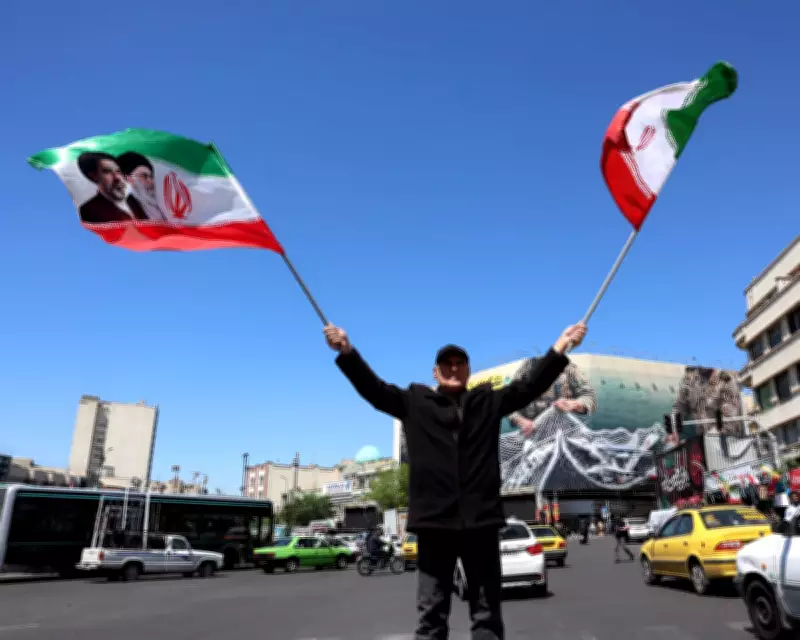
In recent statements, former US President Donald Trump has suggested that infighting within the Iranian regime is weakening the country from within. However, an in-depth analysis reveals a different picture: Iran appears remarkably united, driven by a strategic mindset honed through years of war and external threats.
A History Forged in Conflict
Iran's political and military strategy has been shaped by the Iran-Iraq war of the 1980s, which left deep scars but also forged a resilient national identity. This experience has instilled a sense of collective purpose that transcends factional differences. The Islamic Revolutionary Guard Corps (IRGC) and other state institutions have developed a doctrine of self-reliance and asymmetric warfare that enjoys broad support among the population.
External Pressure as a Unifying Force
Sanctions and military threats from the United States and its allies have historically served to unite Iranians against a common enemy. Rather than causing fractures, external pressure often reinforces the regime's narrative of standing up to foreign aggression. The recent protests over economic conditions and social freedoms have not translated into widespread opposition to the regime's core foreign policy or nuclear ambitions.

Strategic Patience and Regional Influence
Iran's strategy of strategic patience—building influence through proxies in Iraq, Syria, Lebanon, and Yemen—has proven effective in extending its reach without direct confrontation. This approach is supported by a broad coalition within the regime, from hardliners to pragmatists, who see it as a way to secure national interests and deter attacks.
While Trump's comments may reflect genuine observations of political jockeying in Tehran, they overlook the deep-seated unity that emerges from a shared history of conflict and a common strategic vision. Iran's ability to maintain cohesion under pressure suggests that the regime is more resilient than critics assume.