Iran and the United States have agreed to a two-week ceasefire, a significant development announced just before former President Donald Trump's deadline for Iran to reopen the Strait of Hormuz. The truce aims to provide crucial time for negotiators to finalise a more enduring peace agreement, with formal talks between US and Iranian representatives scheduled to begin on Friday in Islamabad, mediated by Pakistan.
Details of the Ceasefire Agreement
Under the terms of the agreement, Iran will cease all counterattacks and ensure safe passage through the strategically vital Strait of Hormuz. In return, the United States will halt its military attacks. This temporary halt in hostilities is designed to de-escalate tensions and create a conducive environment for diplomatic negotiations.
Disputes Over Ceasefire Scope
Despite the agreement, disputes remain regarding its scope. A notable point of contention is whether the ceasefire extends to Lebanon. Israel has asserted that it does not, a position that contradicts Pakistan's mediation claims. This ambiguity highlights the complex regional dynamics at play and the challenges facing the upcoming talks.

Iran's 10-Point Peace Plan
Donald Trump referenced a 10-point proposal from Iran, initially deeming it "workable" but later labelling it "fraudulent." Both sides have claimed the ceasefire deal as a victory, reflecting the high-stakes nature of the negotiations and the political posturing involved.
Background and Context
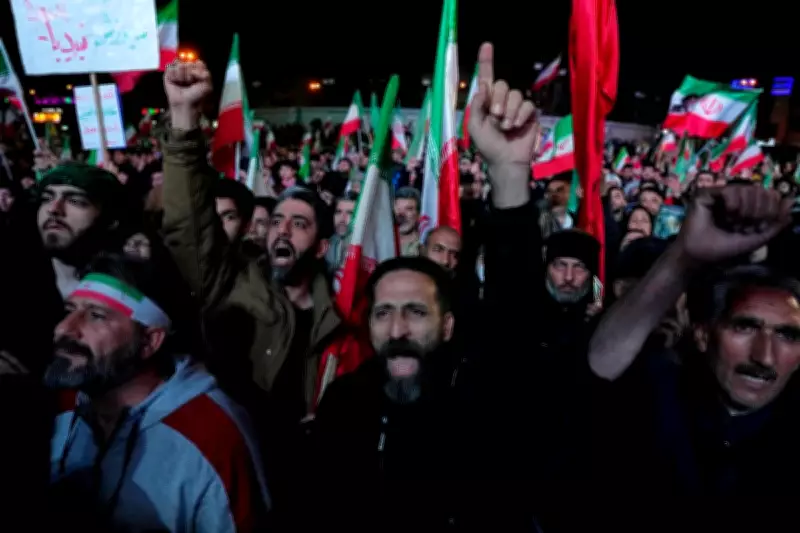
The announcement follows public displays of anti-American sentiment in Iran, including flag-burning protests after Trump declared the ceasefire and the reopening of the Strait of Hormuz. The Strait is a critical chokepoint for global oil shipments, making its security a paramount concern for international trade and energy markets.
The Islamabad talks represent a pivotal opportunity to address longstanding issues and potentially pave the way for a more stable relationship between Iran and the United States. The involvement of Pakistan as a mediator underscores the regional efforts to broker peace and prevent further escalation.
As negotiations proceed, the international community will be closely monitoring developments, with hopes that this temporary ceasefire can evolve into a lasting resolution. The success of these talks could have far-reaching implications for Middle Eastern geopolitics and global security.