Fears are mounting that Donald Trump may be preparing for military action in Cuba once his war in Iran concludes, as Havana’s top officials denounced US threats as an “international crime” on Wednesday. For months, the US president has been unequivocal about his intentions regarding the Caribbean island. “I do believe I’ll have the honour of taking Cuba,” he told reporters in March. “That would be good… I think I can do anything I want with it.” Last Friday, after imposing a new round of sanctions on the Havana government, Trump stated the US would be taking over Cuba “almost immediately”.
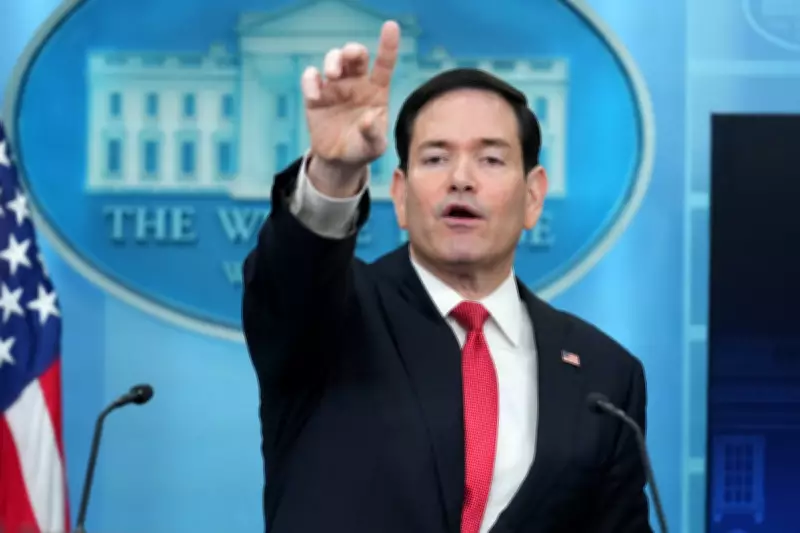
Havana has responded forcefully, accusing Washington of “economic warfare” and dismissing suggestions that the US could “liberate” Cuba as cynical and hypocritical. Fresh sanctions targeting entities and individuals complicit with alleged corruption and rights violations by the Cuban government were announced on 1 May by the White House. On Thursday, US Secretary of State Marco Rubio is expected to discuss Cuba with Pope Leo following a breakdown in relations between the Vatican and the White House.
What Have US and Cuban Officials Said?
The US and Cuba have endured strained relations for decades, rooted in the island’s communist revolution and the disastrous Washington-backed Bay of Pigs invasion in 1961. In its latest broadside, Rubio lashed out at the government, describing Cuba as a “failed state” run by “incompetent communists”. Speaking in early March after launching the US-Israeli war on Iran, Trump told Fox News: “Cuba’s next. They’re going to follow this communist dictatorship in Cuba. Their days are numbered.”

Announcing the new sanctions, the White House said the Cuban regime “aligns itself with countries and malign actors hostile to the United States, going so far as to facilitate their military and intelligence operations”. It accused the country of hosting “foreign adversary facilities focused on targeting and exploiting sensitive national security information from the United States”. Cuban Foreign Minister Bruno Rodriguez condemned the sanctions, writing: “Contemptible yet curious and ridiculous. The US government is alarmed and responds with new illegal and abusive unilateral coercive measures against Cuba.” He added: “The cynical and hypocritical thing about it is that the US has, for decades, tried to devastate the country by imposing an economic warfare. The threat of a military attack and the aggression itself are international crimes.”
What Has Been the Impact of US Action So Far?
It remains unclear what a US military operation in Cuba would entail, and no plans have been briefed to the media despite Trump’s threats. Options could range from a “friendly takeover” to a “not so friendly takeover” or a “forced restructuring of the Cuban state”, according to foreign policy expert Dr Izabela Pereira Watts in an analysis for the Lowy Institute. However, Washington has already “severed the island’s jugular” by choking Havana’s access to imported fuel after taking over Venezuela’s oil assets during its operation against the Maduro regime. This has had a damaging impact on Cuba’s internal logistics: flights have been cancelled, schools suspended, and hospitals are struggling to provide basic emergency care. Washington is set to intensify economic pressure further, with the White House declaring it will “hold the Cuban regime, and those that perpetuate it, accountable for its support of hostile actors, terrorism, and regional instability”.
What Could a US Attack Look Like?
The precise aims of US action on Cuba are unclear, but experts suggest Trump may seek regime change. Deposing the country’s leadership would mirror the US operation in Venezuela in January, when special forces arrested former president Nicolas Maduro in a stunning raid. However, the Caracas government remains in place with Maduro’s allies still at the helm, led by his former vice president Delcy Rodriguez. In Iran, despite suggestions of potential regime change, US goals have focused more on destroying the country’s nuclear programme and military infrastructure.

Dr Watts believes the US is more likely to pursue economic action before a military operation. “By pushing the Cuban economy to the brink of a humanitarian abyss, Washington believes it can force the Communist Party of Cuba to accept a market-oriented transition in exchange for political survival,” she says. However, Cuba’s government will not take risks, especially given Trump’s recent record, with President Miguel Diaz-Canel warning that Havana is “preparing in case we have to move to a state of war”.