A fragile ceasefire between Israel and Hezbollah, brokered by the United States, appears to be holding despite ongoing military attacks in southern Lebanon and northern Israel. The truce, which came into effect early Thursday, aims to halt the deadliest cross-border hostilities in years.
Ceasefire Terms and Implementation
The agreement stipulates an immediate cessation of offensive operations, with both sides expected to withdraw forces from border areas. International monitors, including UN peacekeepers, are tasked with verifying compliance. However, reports indicate that Israeli airstrikes targeted Hezbollah positions in southern Lebanon shortly after the ceasefire began, while Hezbollah launched rockets into Israeli territory.
International Reaction
US Secretary of State Antony Blinken welcomed the ceasefire, urging all parties to adhere to its terms. The European Union and United Nations also expressed cautious optimism, calling for a durable end to violence. Meanwhile, Iran, a key backer of Hezbollah, condemned the Israeli strikes as a violation of the truce.

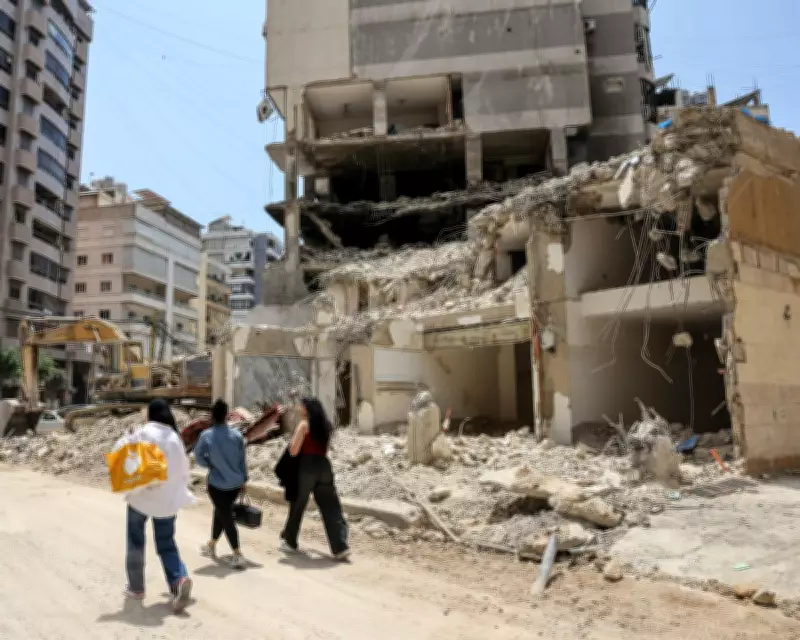
On the ground, residents in border communities remain wary. In northern Israel, schools remain closed, and shelters are open. In southern Lebanon, thousands have fled their homes, with many now living in temporary accommodations.
Military Operations Continue
Despite the ceasefire, the Israeli Defense Forces (IDF) stated they would continue operations against Hezbollah infrastructure deemed a threat. Hezbollah, in turn, vowed to respond to any aggression. The situation underscores the volatility of the region, where past ceasefires have often been short-lived.
Analysts suggest that the current agreement may provide a window for diplomatic efforts to address underlying tensions, including the disputed Shebaa Farms and the broader Israeli-Palestinian conflict. However, with both sides maintaining a high state of alert, the risk of escalation remains significant.