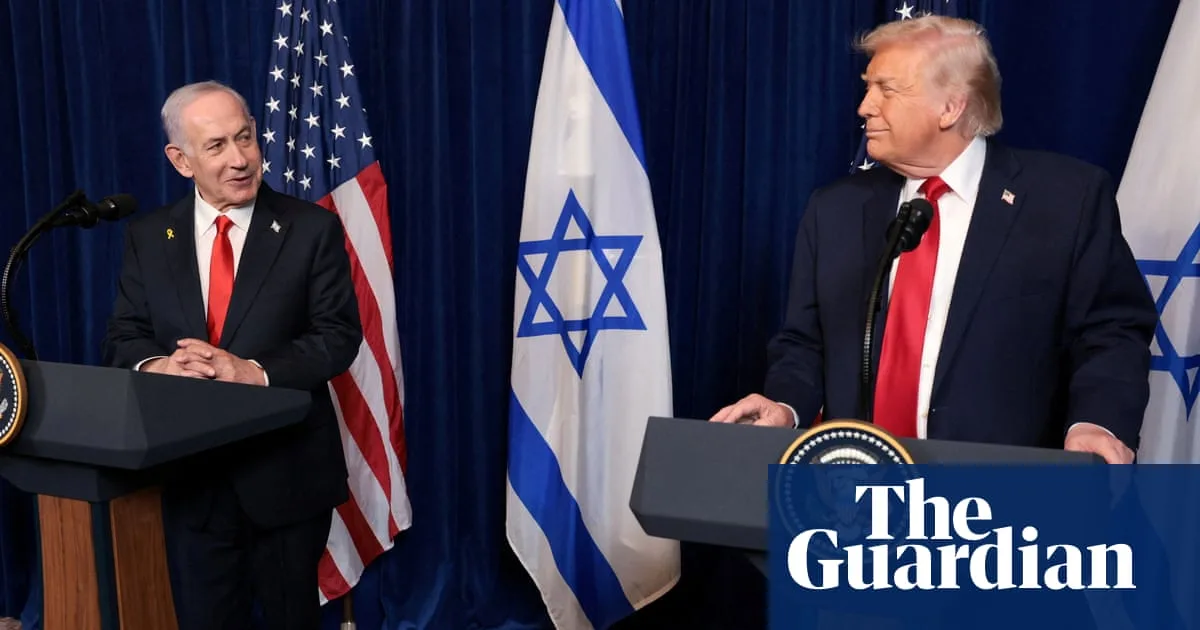
Benjamin Netanyahu is emerging as a key obstacle to a potential US-Iran peace deal, as the Israeli prime minister faces mounting domestic pressure ahead of early elections. His military campaigns against Hamas, Hezbollah, and Iran have become a sticking point in negotiations over the Strait of Hormuz, testing the volatile alliance between Netanyahu and US President Donald Trump.
Netanyahu's threats to bomb Beirut's southern suburbs to dislodge Hezbollah prompted Iran to suspend talks with the US until the conflict is frozen. Trump, who had claimed a deal was imminent, responded by saying, "I think we've been talking too much." The crisis culminated in a reportedly stormy phone call between the two leaders, with Trump allegedly telling Netanyahu, "What the fuck are you doing?" and "You'd be in prison if it weren't for me." Israeli media disputed this account, citing a misunderstanding over the intensity of the war.
Netanyahu's political survival is at risk as the Knesset voted 106-0 to dissolve parliament, with early elections expected in the autumn. His popularity has slumped as conflicts in Gaza, Lebanon, and Iran drag on. Ilan Goldenberg, a former US Middle East adviser, noted that Netanyahu needs a victory in Lebanon to tell a story of continued fighting, rather than admitting failure to dislodge threats. Meanwhile, hearings resumed in his long-delayed trial for fraud and bribery, linking his political future to his legal fate.

Trump's own political considerations may now take precedence, as he focuses on economic data like petrol prices ahead of midterm elections. The leak of details from the Trump-Netanyahu call suggests the White House wants to appear tough on Israel. After the call, Netanyahu confirmed Israel would not strike Beirut unless struck by Hezbollah, though at least eight people were killed in Israeli drone strikes hours later.