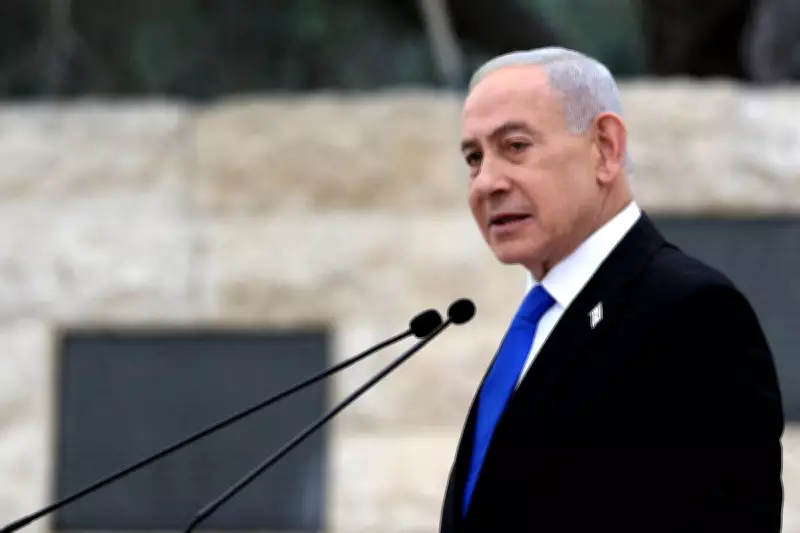
Israeli Prime Minister Benjamin Netanyahu has expressed his ambition to end United States military financial support to Israel within the next ten years, as the nation seeks to bolster its ties with Gulf states. In an interview broadcast on Sunday, Netanyahu declared, “I want to draw down to zero the American financial support, the financial component of the military cooperation that we have.”
Speaking to CBS News’ 60 Minutes programme, Netanyahu highlighted that Israel currently receives approximately $3.8 billion in US military aid annually. The United States has pledged a total of $38 billion in military assistance to Israel for the period spanning 2018 to 2028. However, the Prime Minister asserted that it is “absolutely” the right time to potentially reset the financial relationship between the two nations.
“I don’t want to wait for the next Congress,” he told CBS. “I want to start now.” This aspiration emerges as bipartisan consensus for military aid within the US Congress has reportedly frayed since the outbreak of war in Gaza in October 2023.

Sixty percent of US adults have an unfavorable view of Israel, and 59 percent had little or no confidence in Netanyahu to do the right thing regarding world affairs, according to a Pew survey conducted in March. Both percentages were up seven percentage points from a year earlier.
Netanyahu said deteriorating support for Israel in the United States “correlates almost 100% with the geometric rise of social media.” He said several countries, which he did not identify, have “basically manipulated” social media in a way that “hurt us badly,” though he personally did not believe in censorship.
No Timetable in Iran
Support for US President Donald Trump, a close ally of Netanyahu, has also ebbed since the United States and Israel launched a war against Iran on February 28. The war has led to higher gasoline prices, which contributed to US inflation rising on an annualized basis in March to the highest level since May 2023.
A significant factor behind higher fuel prices has been Iran’s throttling of traffic through the Strait of Hormuz, where 20 percent of the world’s oil normally passes. Only after the war began did Israeli planners recognize Iran’s ability to close the strait, Netanyahu said. “It took a while for them to understand how big that risk is, which they understand now,” he said.
In the interview, Netanyahu declined to discuss Israel’s military plans or timetable in Iran, but he addressed the potential ramifications if Iran’s leadership changed. “If this regime is indeed weakened or possibly toppled, I think it’s the end of Hezbollah, it’s the end of Hamas, it’s probably the end of the Houthis, because the whole scaffolding of the terrorist proxy network that Iran built collapses,” Netanyahu said.
Asked if it were possible to topple the Iranian regime, Netanyahu said: “Is it possible? Yes. Is it guaranteed? No.”