Pakistan Seizes Mediator Role in US-Iran Talks to Elevate Global Profile
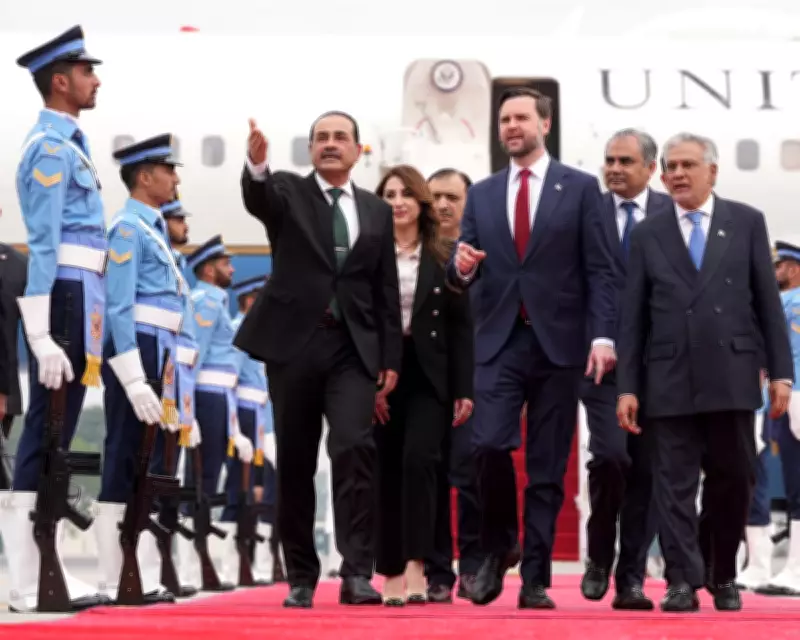
Pakistan has positioned itself as a key mediator in the first round of US-Iran talks, hosted in Islamabad, as it seeks to raise its international standing and secure diplomatic and economic advantages. Field Marshal Asim Munir, Pakistan's chief of defence forces, welcomed US Vice-President JD Vance to the capital, marking a significant step in Pakistan's push to act as a peacemaker in the Middle East conflict.
Diplomatic Maneuvering Amid Regional Tensions
Pakistani officials are working intensively to narrow differences between Iran and the United States, viewing the talks as an opportunity to recast the country's image from an "international problem child" to a neutral arbiter. With a three-day visit to Tehran last week by Field Marshal Munir helping to broker a ceasefire in Israel's attacks on Lebanon and a temporary opening of the Strait of Hormuz, Pakistan is optimistic about hosting a second round of talks this week.
At stake are not only regional peace efforts but also Pakistan's own strategic interests, including avoiding entanglement in the war and securing energy supplies from the Gulf. The country, often grappling with religious extremism and economic instability, has leveraged its relative neutrality to take on the role of "adult in the room," according to analysts.

Economic Vulnerabilities and Strategic Ambitions
Despite its diplomatic efforts, Pakistan's economic fragility remains evident, with recent daily power cuts and a $3 billion emergency loan from Saudi Arabia highlighting ongoing challenges. However, officials hope that enhanced global stature could attract more investment, contingent on domestic reforms such as lower taxes and stronger legal frameworks.
As the only nuclear-armed Muslim nation with a 600,000-strong army, Pakistan believes it has been "punching below its weight" and is now seeking greater influence in a shifting multipolar world order. This ambition is supported by its ability to balance ties with both Beijing and Washington, as well as maintain partnerships with Gulf states.
Historical Context and Future Prospects
Pakistan's mediation role is not without precedent; the country has historically facilitated diplomatic channels, such as representing Iranian interests in Washington since 1979 and hosting secret talks that led to US-China relations in 1971. Ali Sarwar Naqvi, a former senior diplomat, noted that Pakistan enjoys the confidence of UN Security Council members and Iran, thanks to its strategic location and nuclear capability.
Experts like Joshua White, a former White House official, credit Pakistan's sophisticated engagement with the Trump administration for its current role, while Elizabeth Threlkeld of the Stimson Center points to Pakistan's rising stock in Washington due to its actions in conflicts with India and involvement in Middle East initiatives.
If successful, Pakistan hopes to see US President Donald Trump and Iranian President Masoud Pezeshkian sign a deal in Islamabad, potentially addressing contentious issues like Iran's nuclear programme. Security measures have been heightened in the capital, with roads closed and hotels prepared for delegations, underscoring the high stakes of these negotiations.