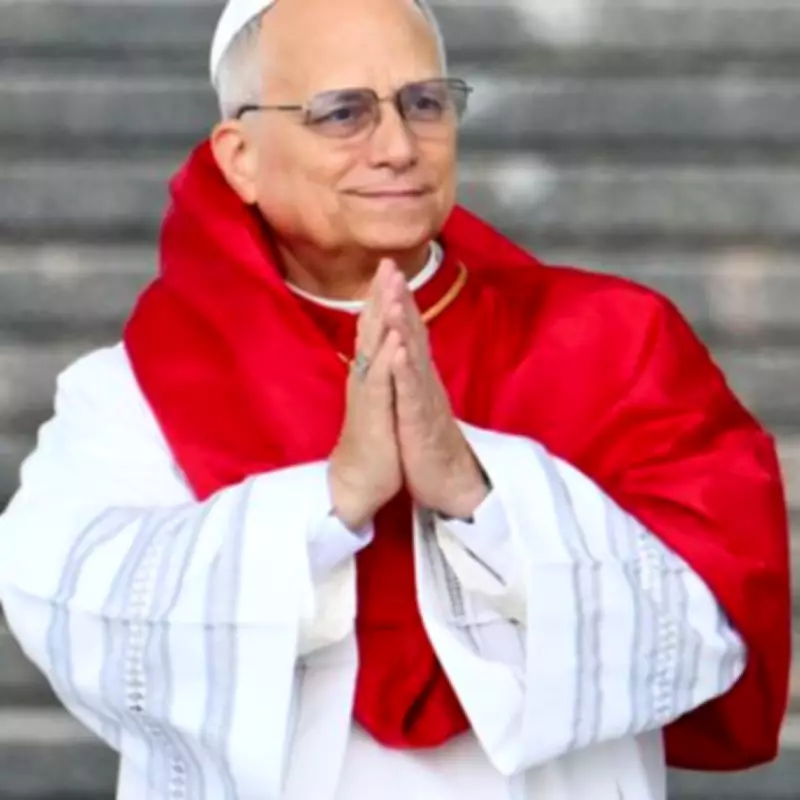
Pope Leo XIV likely engaged in strategic "wargaming" exercises to prepare for potential social media attacks from Donald Trump before their unprecedented public confrontation, according to Vatican experts. The pontiff's rare criticism of the US President followed Trump's inflammatory TruthSocial post threatening to "wipe out" Iranian civilization amid ongoing Middle East tensions.
Unprecedented Papal Confrontation
Dr Miles Pattenden, a historian of the Catholic Church who has extensively studied Pope Leo's papacy, revealed to The Mirror that Vatican officials probably anticipated Trump's explosive rhetoric. "They probably will have wargamed this kind of scenario because you don't need that much foresight to see Trump might have said something," Pattenden explained.
The confrontation began when Pope Leo criticized Trump's handling of the Iran conflict, particularly his use of what the pontiff described as "genocidal language" ahead of ceasefire negotiations. Trump responded by branding the Pope "weak" on his TruthSocial platform, sparking international outrage and creating a diplomatic rift between the Vatican and the White House.

Strategic Vatican Preparation
According to Pattenden, the Vatican maintains clear principles about preserving the Pope's moral authority by avoiding direct conflicts with political leaders. "In general they will have their principals and they will want to stick to them, which is that the Pope is this moral authority and he retains that by not being dragged into specific conflicts, particularly with political leaders," he stated.
The expert noted that Vatican officials have already been working to "bring him back from that position and avoiding further comment" following the unprecedented exchange. This careful management reflects the institution's centuries of diplomatic experience in navigating complex political relationships.
Historical Context and Political Risks
While Trump isn't the first world leader to clash with the papacy - French emperor Napoleon imprisoned Pope Pius VII between 1809 and 1814 - this represents the first major negative intervention in decades. Pattenden emphasized the political risks for Trump, stating: "Generally, for a political leader, it has been a bad idea to attack the Pope because it's a no-win situation."
The Catholic Church expert highlighted the substantial risk of alienating Catholic voters in the United States, even among those who might agree with Trump on specific policy positions. "A lot of Catholics respond emotionally to the Pope, they don't like the sight of the president bullying him," Pattenden explained.
Broader Christian Community Impact
Trump's standing with other Christian groups may also suffer following the controversy, particularly after he shared an AI-generated image comparing himself to Jesus on TruthSocial. "Even non-Catholics do not like the look of the president appearing to bully a man who has established himself as a spiritual and moral leader," Pattenden noted.
The expert suggested Trump's AI Jesus image "offended many Christians possibly more than his comments about the Pope did," indicating broader religious community concerns about the President's self-presentation as a messianic figure.
Pope Leo's Diplomatic Approach
Dr Pattenden contrasted Pope Leo's normally cautious approach with his predecessor's more direct style. "Leo has been careful to speak in generalities and not to criticise America explicitly... Francis was much more direct and would use more casual anti-American language," he explained.
The historian noted that Pope Francis had been "very critical of Israel specifically and received rebuke from the Israeli government over it," while Leo has generally avoided such direct governmental criticism until this incident with Trump.
The Red Line Moment
According to Pattenden, Pope Leo likely reached his breaking point when Trump declared "a whole civilisation is going to die tonight" regarding Iran. "I think the Pope decided 'this is a red line,'" the expert stated, adding that the pontiff's moral authority would have been compromised if he hadn't responded to such extreme language.

"Ultimately it affects his moral authority if he wasn't going to say 'that's crossed a line and that's unacceptable,'" Pattenden explained. "It's a difficult time for the Pope too now he's directly criticised a government directly."
African Tour and Broader Message
During his ongoing African tour, Pope Leo addressed themes relevant to the Trump controversy while speaking in Cameroon. He urged resistance against "the whims of the rich and powerful" and called for breaking "the chains of corruption - which disfigure authority and strip it of its credibility."
The pontiff delivered this message directly to President Paul Biya and Prime Minister Joseph Dion Ngute, while also calling for an end to Cameroon's Anglophone conflict that has claimed thousands of lives. His remarks about resisting wealthy elites appeared particularly pointed given Trump's billionaire status and recent attacks.
This diplomatic balancing act demonstrates how Pope Leo continues to navigate complex global relationships while maintaining the Vatican's traditional role as moral arbiter in international affairs, even as he engages in unprecedented public conflicts with world leaders like Donald Trump.