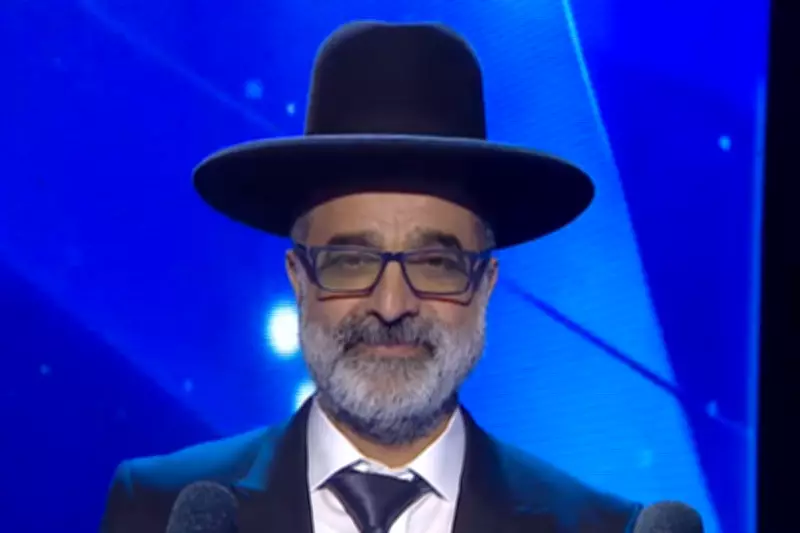
Controversial Rabbi's Role in Israel's Independence Day Sparks Outrage
Rabbi Avraham Zarbiv, a figure known for his extremist views, was selected to light a torch at Israel's official Independence Day ceremony, an event that has ignited widespread condemnation from human rights organisations and media outlets. Zarbiv, an Israeli military reservist and rabbinical judge, has publicly advocated for the "flattening" of Gaza and boasted about destroying Palestinian homes, making his inclusion in the national celebration highly contentious.
Ceremony Details and Political Attendance
The ceremony, which was attended by Prime Minister Benjamin Netanyahu, featured Zarbiv being introduced as a "bulldozer operator on the front lines of fire." This description highlighted his role in military operations, further fuelling the controversy. The event, meant to commemorate Israel's independence, instead became a focal point for debates over national values and military ethics.
Widespread Condemnation from Rights Groups
Israeli rights groups, including B’Tselem, and the Haaretz newspaper, have strongly criticised the selection. B'Tselem issued a statement accusing Israel of risking "making genocide part of its official national ethos" by honouring Zarbiv. This criticism underscores deep concerns about the normalisation of violent rhetoric in public ceremonies.

Military Distancing and Official Defence
In response to the backlash, the Israeli military distanced itself from the decision, stating that Zarbiv was "not selected in coordination with the IDF" and did not represent the military officially. However, ceremony planner Miri Regev defended the choice, calling Zarbiv a "paragon of deep commitment to the nation of Israel" and emphasising his representation of the national religious community.
Broader Implications and Public Reaction
The controversy has sparked broader discussions about Israel's future and the impact of such selections on international perceptions. Critics argue that celebrating individuals with extremist views could undermine peace efforts and escalate tensions in the region. The incident highlights ongoing divisions within Israeli society regarding military actions and national identity.
As debates continue, the selection of Rabbi Avraham Zarbiv for this ceremonial role remains a polarising issue, reflecting deeper conflicts over policy, ethics, and the direction of Israel's national celebrations.