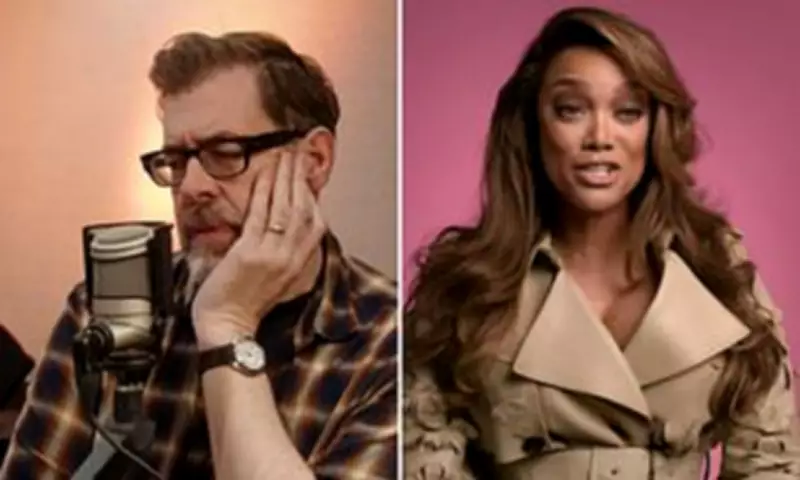
Richard Osman has launched a furious critique against television producers from the noughties era, condemning their attempts to defend disturbing elements within their reality shows after facing significant public backlash. The broadcaster and former Pointless star discussed his own involvement in the industry following the release of Netflix's three-part docuseries that has cast new light on America's Next Top Model.
Questioning the 'Different Times' Defence
In the documentary, which has sparked widespread criticism over the treatment of models on the iconic competition series, producer Ken Mok reflected on the programme's more controversial moments, suggesting that what was deemed acceptable during the show's original run was simply different by contemporary standards. However, Richard Osman has called this reasoning into serious question, stating that producers should have known the fundamental difference between right and wrong even during that period.
Speaking on his podcast The Rest Is Entertainment alongside Marina Hyde, Osman expressed his frustration: "The one thing I always think when I watch those shows, you watch The Biggest Loser and similar programmes, the documentaries, and they'll have the producer on saying 'yeah but don't forget, things were very different then.' I was there then, and things were not that different then, you knew what right and wrong was, and when I see some of the justifications for what people did on those shows."

Reality Television's Troubling Legacy
Following the release of Netflix's Top Model documentary series, the reputation of the once-popular programme has shifted dramatically from what was perceived as camp, fabulous entertainment to something far more troubling and problematic. The series has been at the heart of numerous controversies over the years, ranging from dangerous runway challenges to problematic photoshoots and disastrous makeovers that have left lasting impacts on participants.
The documentary reveals disturbing behind-the-scenes incidents, including Giselle from the first series opening up about being subjected to shocking insults from judges when cameras weren't rolling. Series two contestant Ebony Haith discusses experiencing racist comments about her skin tone, while fellow series two participant Shandi addresses the controversy surrounding her being filmed sleeping with an Italian man despite having a boyfriend back home.
Shandi speaks openly about "blacking out" before the act occurred, with production staff allegedly doing nothing to prevent the situation and instead choosing to film it for broadcast. Other former contestants discuss their thoughts about an ethnicity-swapping photoshoot that saw white models made over in what amounted to blackface makeup, while numerous stars complain of being fat-shamed and harassed by male models on set, including being grabbed and touched without consent.
Broader Industry Criticism
Similar criticism has been directed at other noughties television hits including The Biggest Loser, following a documentary series last year that argued the show prioritised achieving dramatic weight loss numbers over contestants' genuine health and wellbeing. In 2016 and 2017, The New York Times published several articles reporting on how difficult it proved for The Biggest Loser contestants to maintain their weight loss after returning to their regular lives, highlighting potential long-term health consequences.
Osman reflected on his own experiences in production rooms during that era, stating: "I think back to rooms that I had been in, and everything I hear from those producers' mouths, I'm like no, absolutely no way, no one was thinking, I'm sure this is okay."
Osman's Reality Television Involvement
During the podcast discussion, Richard Osman also revealed his surprising connection to one of reality television's most iconic formats. The broadcaster disclosed that he helped devise the original concept behind the hugely popular reality competition Survivor, which has aired for an impressive 50 series in the United States alone.

The show was first broadcast in Sweden under the name Expedition Robinson in 1997 before becoming a massive international hit when it launched in the United States in 2000. Osman explained: "Reality TV really came about because of the enormous success of Survivor and Big Brother. I remember as I may have mentioned it before, it was my idea, and just the idea of putting people on a desert island then voting people off one by one, I had no involvement in it after that."
This revelation adds an intriguing layer to Osman's critique, positioning him as someone with insider knowledge of how reality television concepts were developed during the very era he is now criticising. His comments suggest a growing reckoning within the entertainment industry about the ethical boundaries that were crossed during reality television's formative years, and whether producers genuinely didn't recognise problematic elements or simply chose to overlook them for entertainment value.