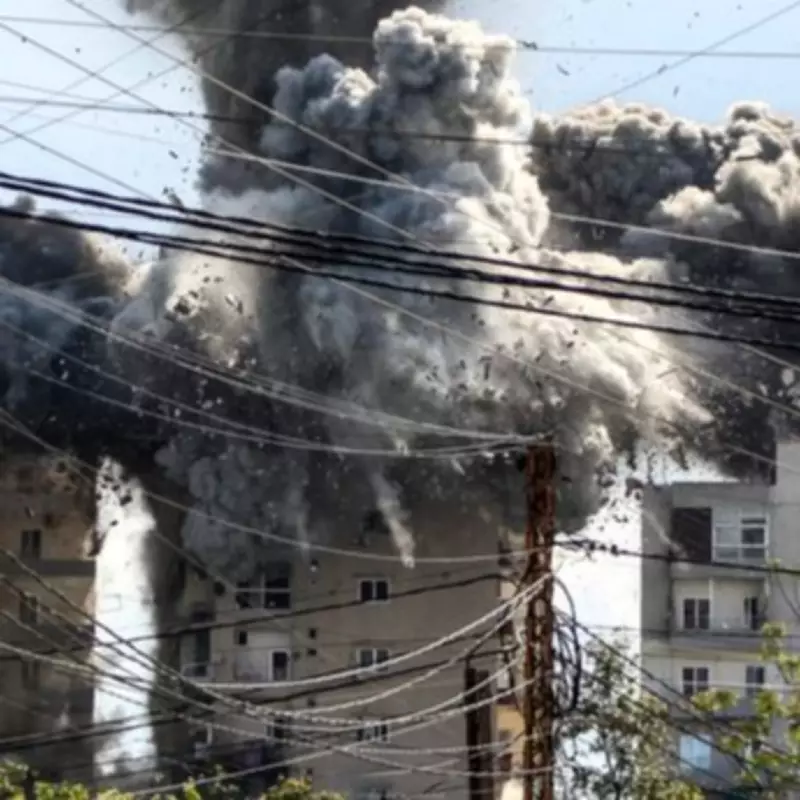
Prime Minister Keir Starmer has united with a coalition of world leaders to demand an immediate end to Israel's military assault on Lebanon, urging all parties to uphold a newly brokered ceasefire between the United States and Iran. This diplomatic push comes as Starmer travels to Saudi Arabia for critical talks with Gulf leaders, focusing on securing a lasting resolution to the escalating regional conflict.
International Condemnation of Continued Hostilities
Despite the announcement of a two-week ceasefire agreement between the US and Iran, Israeli forces have persisted in their bombardment of Lebanon, targeting areas where the Iranian-backed militant group Hezbollah operates. In response, the leaders of the United Kingdom, France, Italy, Germany, Canada, Denmark, the Netherlands, Spain, alongside the presidents of the European Commission and European Council, issued a joint statement expressing grave concern.
The statement welcomed the ceasefire but emphasised the urgent need for its full implementation, including in Lebanon. "We strongly encourage quick progress towards a substantive negotiated settlement," the leaders declared. "This will be crucial to protect the civilian population of Iran and ensure security in the region. It can avert a severe global energy crisis."

Starmer's Diplomatic Mission in the Gulf
Prime Minister Starmer's visit to Saudi Arabia is a pivotal component of these international efforts. His agenda includes high-level discussions with Gulf leaders on strategies to reinforce the temporary pause in fighting and to develop a permanent solution for reopening the Strait of Hormuz. This vital shipping lane, previously blockaded by Tehran, is a key route for global oil and gas transport, and its closure has triggered a sharp increase in worldwide oil prices.
During his trip, Starmer is also scheduled to meet with British military personnel stationed in the region, as well as to express gratitude to armed forces from allied nations. These engagements underscore the broader commitment to regional stability and security.
Background of the Ceasefire Agreement
The ceasefire was secured just hours before a critical deadline set by US President Donald Trump, who had issued stark warnings to Iran. Trump had threatened that "a whole civilisation will die" if Iran failed to agree to end hostilities and reopen the Strait of Hormuz. His subsequent decision to walk back from these apocalyptic threats and agree to a temporary truce marks a significant, though fragile, diplomatic breakthrough.
The international coalition has pledged close coordination with the United States and other partners to support these diplomatic initiatives. "Our governments will contribute to ensuring freedom of navigation in the Strait of Hormuz," the joint statement affirmed, highlighting the economic imperative of resolving the blockade to prevent further market disruptions.
Call for Comprehensive Peace Efforts
Leaders have called upon all sides to adhere strictly to the ceasefire terms, warning that continued aggression in Lebanon could undermine broader peace prospects. The statement reiterated support for diplomatic channels aimed at achieving a sustainable settlement that safeguards civilians and regional security.
As global attention remains fixed on the Middle East, Starmer's diplomatic mission represents a concerted effort to translate the temporary ceasefire into a durable peace, addressing both the immediate humanitarian concerns in Lebanon and the long-term economic stability threatened by the Strait of Hormuz blockade.