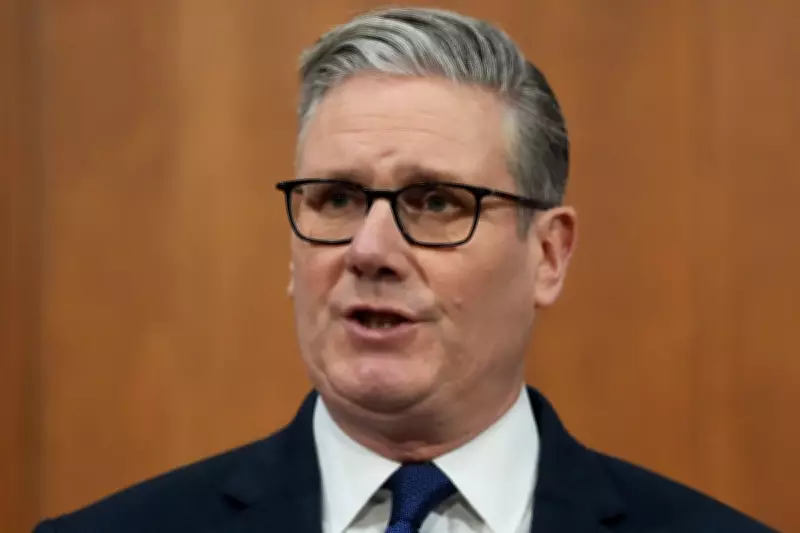
Starmer Lands in Saudi Arabia for Crucial Gulf Talks Following US-Iran Ceasefire
Prime Minister Sir Keir Starmer has touched down in Saudi Arabia, embarking on a diplomatic mission to Gulf allies in the immediate aftermath of a landmark ceasefire agreement between the United States and Iran. This high-stakes visit comes as global markets react with palpable relief to the temporary truce.
Ceasefire Conditions and Economic Repercussions
The newly brokered two-week ceasefire is explicitly conditional upon Iran reopening the Strait of Hormuz for international shipping. This strategic chokepoint is a critical artery for global oil and gas supplies, and its effective closure by Tehran in recent weeks had triggered significant economic upheaval.
The announcement of the pause in hostilities prompted an immediate and sharp financial response. On Wednesday morning, London's benchmark FTSE 100 index surged by as much as 2.6% at the opening of trading. Concurrently, the price of Brent crude oil, a key global benchmark, plummeted by 14.3% to $93.6 (£69.78) per barrel. Despite this drop, prices remain substantially elevated compared to the approximate $70 per barrel seen before the conflict escalated.

Background of the Conflict and Fuel Price Impact
The recent period of tension was ignited by US-Israeli military strikes on Iran, which prompted retaliatory actions from Tehran. These included targeting Gulf states and the consequential closure of the Strait of Hormuz, sending fossil fuel prices soaring worldwide.
The impact on consumers has been severe. According to the RAC motoring organisation, the average price of diesel in the UK reached 190.6p on Wednesday morning, marking a staggering 34% increase since February 28th when the US-Israeli action commenced. Similarly, average unleaded petrol prices hit 157.7p, a rise of 19% over the same period.
Diplomatic Maneuvers and Starmer's Agenda
Prior to the ceasefire, former US President Donald Trump had issued a stark ultimatum, threatening to destroy Iran's power plants and bridges if a deal to reopen the strait was not secured. This threat was suspended less than two hours before its deadline expired.
Prime Minister Starmer's agenda in the Gulf is multifaceted. He is scheduled to hold substantive talks with regional leaders on how best to support the fragile ceasefire and work towards a permanent restoration of safe passage through the Strait of Hormuz. Sir Keir is also expected to formally thank UK and allied armed forces personnel currently deployed in the region.
A joint statement issued by a coalition of world leaders, including Sir Keir Starmer, and signed by the heads of the UK, France, Italy, Germany, Canada, Denmark, the Netherlands, Spain, and the presidents of the European Commission and Council, welcomed the ceasefire. The statement pledged to "contribute to ensuring freedom of navigation in the Strait of Hormuz" and strongly encouraged "quick progress towards a substantive negotiated settlement."
The leaders emphasised that such a settlement is crucial to protect the civilian population of Iran and ensure regional security, while also averting a potential severe global energy crisis. They affirmed their support for ongoing diplomatic efforts and called upon all sides to implement the ceasefire fully.
Ongoing Regional Tensions
However, the situation remains complex. Israel has continued its attacks on Lebanon, which serves as a base for the Iran-backed Hezbollah group. Israeli authorities have claimed these actions are not covered by the US-Iran ceasefire agreement, highlighting the fragile and fragmented nature of the truce and the challenging diplomatic landscape Prime Minister Starmer now navigates.