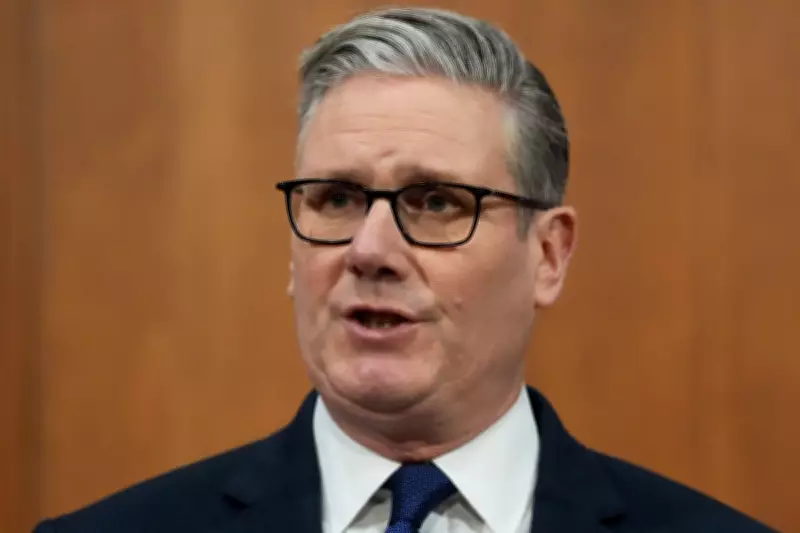
Prime Minister Sir Keir Starmer has touched down in Saudi Arabia, embarking on a crucial diplomatic mission to Gulf allies in the immediate aftermath of a significant ceasefire agreement between the United States and Iran. This high-stakes visit aims to foster dialogue on securing a durable resolution to the ongoing regional conflict.
Ceasefire Conditions and Economic Implications
The recently brokered two-week ceasefire is contingent upon Iran reopening the strategically vital Strait of Hormuz for international shipping. This narrow passage is a critical conduit for global oil and gas supplies, and its closure had precipitated severe economic disruptions worldwide.
Sir Keir is scheduled to engage in intensive discussions with Gulf leaders, focusing on strategies to bolster the fragile pause in hostilities and to guarantee the permanent restoration of safe passage through this essential maritime route. Additionally, the Prime Minister will express gratitude to the UK and allied armed forces personnel stationed in the region for their service and vigilance.

Market Reactions to the Truce
The announcement of the ceasefire triggered an immediate and positive response in financial markets. Investors, relieved after weeks of uncertainty, witnessed a notable decline in global oil prices and a concurrent surge in stock indices.
On Wednesday morning, London's premier FTSE 100 index experienced a sharp rise, climbing by as much as 2.6% at the opening of trading. Simultaneously, the price of benchmark Brent crude oil plummeted by 14.3%, settling at 93.6 US dollars (approximately £69.78) per barrel. Despite this significant drop, the price remains substantially higher than the pre-conflict level of around 70 dollars.
Background of the Conflict and Its Impact
The recent escalation, involving US-Israeli strikes on Iran and Tehran's retaliatory measures—which included targeting Gulf states and effectively blockading the Strait of Hormuz—had sent fossil fuel prices skyrocketing across the globe. This geopolitical turmoil had direct and painful consequences for consumers.
In the United Kingdom, petrol and diesel costs for motorists escalated sharply following the initiation of military action by former US President Donald Trump. According to data from the motoring organisation the RAC, the average price of diesel reached 190.6p on Wednesday morning, marking a staggering 34% increase since February 28, when the US-Israeli operations commenced. Similarly, average unleaded petrol prices rose to 157.7p, reflecting a 19% uptick.
Prior to the ceasefire, Mr. Trump had issued stark warnings, threatening to destroy Iran's power plants and bridges if an agreement to reopen the Strait of Hormuz could not be secured. The current diplomatic efforts, including Sir Keir Starmer's Gulf visit, are now pivotal in consolidating this temporary truce into a more stable and peaceful outcome for the region and the global economy.