Keir Starmer in UAE for Talks as Iran Ceasefire Under Strain
The Prime Minister is visiting allies in the region for talks on upholding the pause in fighting and what steps are needed to bring confidence to get shipping going again through the Strait of Hormuz.
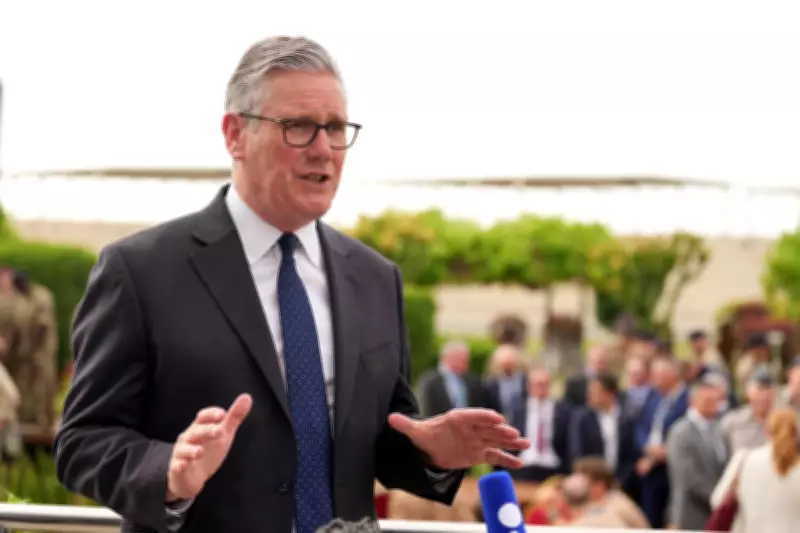
Sir Keir Starmer has arrived in the United Arab Emirates on the second leg of his trip to Gulf countries amid signs the US-Iran ceasefire is coming under strain. He spoke to Saudi Crown Prince Mohammed Bin Salman in Jeddah and is expected to meet UAE President Sheikh Mohamed bin Zayed Al Nahyan.
Ceasefire Challenges and Regional Diplomacy
Sir Keir has welcomed the two-week pause in US President Donald Trump’s bombing campaign, but said it is “early days” and that more work needs to be done to restore shipping through the key route. However, that pause, which hinges on the strait reopening, appeared to be under threat as Iran closed it again on Wednesday night in response to Israeli attacks on the Hezbollah militant group in Lebanon.

The US president said in a post early on Thursday that US forces in and around Iran would stay in place until the “REAL AGREEMENT reached is fully complied with.” Vice president JD Vance has stated the agreement with Iran does not include Lebanon but that there had been a “legitimate misunderstanding” on the Iranian side that it did.
International Coordination and Economic Implications
Sir Keir has called for the ceasefire to be implemented in full, including in Lebanon, in a joint statement with European allies and Canada. Foreign Secretary Yvette Cooper is set to reiterate the message in a speech on Thursday evening. Talks between the US and Iran are due to take place in Pakistan this weekend, with Mr Vance and envoy Steve Witkoff to attend from the Trump administration.
Sir Keir is seeking to minimise the economic impact of the war on the UK by getting the Strait of Hormuz open again. The US-Israeli strikes on Iran and Tehran’s response, including targeting Gulf states and effectively closing the key shipping lane, had sent fossil fuel prices soaring around the world. The ceasefire agreement late on Tuesday triggered a fall in global oil prices, highlighting the critical link between regional stability and international markets.