Starmer Emphasises Need for Lasting Peace in US-Iran Conflict to Reopen Vital Shipping Route
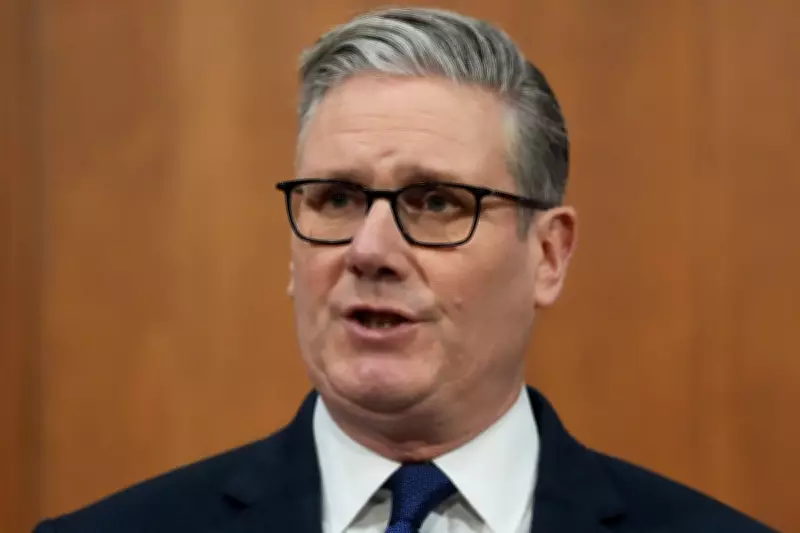
Prime Minister Sir Keir Starmer has expressed a "sense of real relief" at the recent ceasefire in the US-Iran conflict but stressed that significant work remains to secure a permanent peace deal and restore crucial oil and gas supplies through the Strait of Hormuz. Speaking during a visit to an air base in Saudi Arabia, Starmer highlighted the urgent need to minimise the economic fallout of the war by reopening this strategic maritime chokepoint.
Ceasefire Announcement and Global Economic Repercussions
The ceasefire was announced less than two hours before a deadline set by US President Donald Trump, who had threatened to destroy Iran's infrastructure if a deal to reopen the strait was not reached. Sir Keir cautioned that it is still "early days" following the overnight announcement, emphasising that efforts must focus on transforming this temporary pause into a durable ceasefire. The Prime Minister underscored the conflict's impact on the UK, stating, "It's already had an impact on the UK, and it's very important we get the Strait of Hormuz open. There's a lot of work to do there."
Global oil prices fell and stock markets rallied after the ceasefire was declared, providing some respite from weeks of economic turmoil. The US-Israeli strikes on Iran and Tehran's retaliatory actions, including targeting Gulf states and effectively closing the Strait of Hormuz, had previously sent fossil fuel prices soaring worldwide. In the UK, petrol and diesel costs for motorists rose sharply following Trump's military campaign. According to the RAC, the average price of diesel reached 190.6p on Wednesday morning, a 34% increase since February 28, while unleaded prices hit 157.7p, up 19%.

Strained UK-US Relations and Diplomatic Efforts
Sir Keir's relationship with President Trump has been severely strained due to the Prime Minister's refusal to grant the US free rein to use British bases for launching raids against Iran. When questioned about whether this relationship was "in tatters," Starmer defended his stance, saying, "I've acted as you would expect of a British Prime Minister, which is by being absolutely focused on what is our national interest." He added that his principles ensured the UK would not engage in action without a lawful basis and a viable, thought-through plan.
A joint statement by world leaders, including Sir Keir and representatives from France, Italy, Germany, Canada, Denmark, the Netherlands, Spain, and the European Commission and Council, welcomed the ceasefire. They pledged to "contribute to ensuring freedom of navigation in the Strait of Hormuz" and encouraged rapid progress toward a negotiated settlement to protect civilians, ensure regional security, and avert a severe global energy crisis. The leaders affirmed their support for diplomatic efforts and close contact with the US and other partners, calling on all sides to implement the ceasefire, including in Lebanon.
Ongoing Tensions and Regional Dynamics
Despite the ceasefire, Israel continued its attacks on Lebanon, the base for Iran-backed Hezbollah, arguing that the deal did not cover these operations. US Vice President JD Vance described the situation as a "fragile truce," with reports of missile or drone raids on Kuwait and the United Arab Emirates from the Gulf. Iran claimed its Lavan Island oil refinery had been attacked, highlighting persistent volatility.
Announcing a two-week pause in the bombing campaign, President Trump stated that Tehran had proposed a 10-point plan providing "a workable basis on which to negotiate." However, he noted that US forces would remain "hangin' around" to ensure compliance. Tehran believes the deal will allow it to maintain control over the strait and levy tolls on shipping, adding complexity to the negotiations.
In a diplomatic move, Pakistan's Prime Minister Shehbaz Sharif invited Iranian and US officials to Islamabad for talks on Friday. Meanwhile, Trump celebrated the ceasefire on his Truth Social platform, calling it "a big day for World Peace!" and predicting "the Golden Age of the Middle East."

As global leaders navigate these delicate negotiations, Sir Keir Starmer's focus remains on securing a lasting peace that safeguards UK interests and stabilises energy markets, underscoring the critical importance of international cooperation in resolving this high-stakes conflict.