Starmer Calls for Lasting Peace in US-Iran Conflict to Reopen Vital Shipping Route
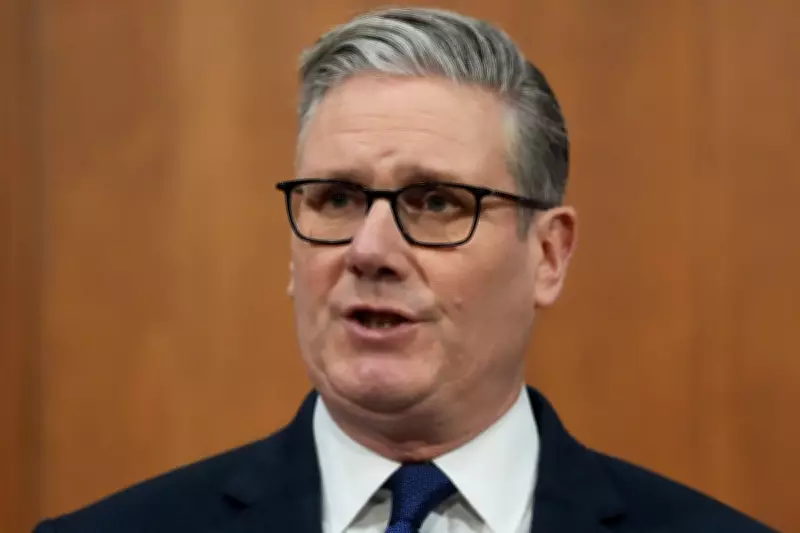
Prime Minister Sir Keir Starmer has expressed cautious optimism regarding the recent ceasefire in the US-Iran conflict, while emphasising that substantial efforts are still required to transform this temporary halt into a durable peace agreement. Speaking during a visit to an air base in Saudi Arabia, Sir Keir highlighted the critical need to reopen the Strait of Hormuz to restore global oil and gas supplies.
Economic Imperatives and Diplomatic Strains
The Prime Minister underscored the significant economic repercussions of the conflict, particularly for the United Kingdom. He stated that minimising these impacts is a top priority, which necessitates the swift reopening of the strategic strait. This waterway is a crucial conduit for approximately one-fifth of the world's oil consumption, and its closure has disrupted energy markets internationally.
Sir Keir remarked, "There was a sense of real relief at the ceasefire, but it is still early days. We must ensure this ceasefire becomes not a temporary pause but a permanent peace." He further explained that while the war did not originate with the UK, his duty is to protect British interests, which have already been adversely affected.

Trump's Threats and the Ceasefire Agreement
The ceasefire was announced under tense circumstances, with US President Donald Trump having previously threatened to destroy Iran's infrastructure, including power plants and bridges, if a deal to reopen the shipping route was not secured. President Trump declared the ceasefire less than two hours before his imposed deadline, averting immediate escalation.
However, diplomatic relations between the UK and the US have been severely tested during this crisis. Sir Keir's firm refusal to permit the unrestricted use of British military bases for US-led raids against Iran has created notable friction with President Trump.
Defending UK National Interest and Principles
When questioned about the state of his relationship with the American president, Sir Keir defended his actions as being firmly rooted in British national interest and core values. He asserted, "I've acted as you would expect of a British Prime Minister, by being absolutely focused on our national interest. My principles ensured we would not engage in action without a lawful basis and a thoroughly considered plan."
This stance reflects a broader commitment to principled policymaking and international law, even when it strains alliances. The Prime Minister's approach underscores a careful balancing act between diplomatic solidarity and sovereign decision-making.
The Path Forward for Stability
Looking ahead, Sir Keir identified several key challenges:
- Converting the fragile ceasefire into a lasting, comprehensive peace agreement.
- Securing the safe and permanent reopening of the Strait of Hormuz for international shipping.
- Mitigating the ongoing economic fallout for the UK and global markets.
- Navigating the complex diplomatic landscape to protect UK interests while fostering international cooperation.
The Prime Minister concluded that while the initial ceasefire is a positive step, a significant amount of diplomatic work remains to achieve a stable and peaceful resolution that safeguards global energy security and economic stability.