Starmer Pursues Middle East Diplomacy as Iran Ceasefire Hangs in Balance
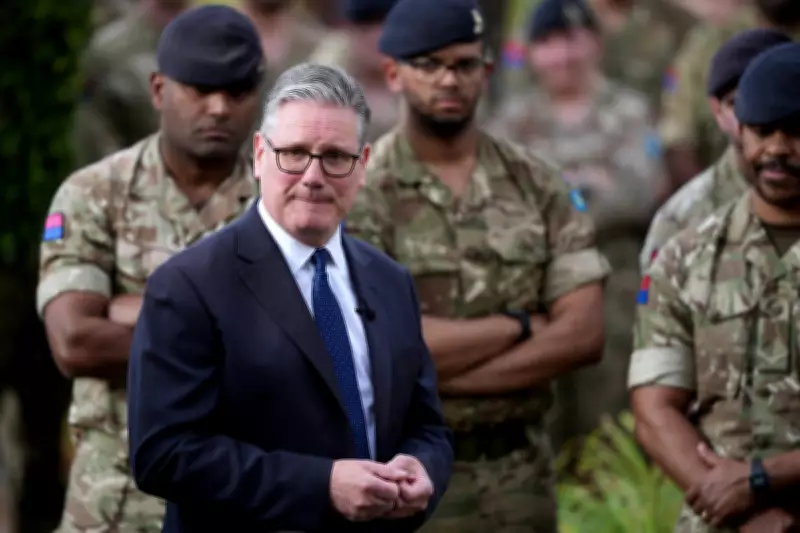
Prime Minister Sir Keir Starmer is continuing his critical two-day diplomatic tour of the Gulf region, following a high-profile meeting with Saudi Arabia's Crown Prince Mohammed Bin Salman in Jeddah on Wednesday. The visit is centrally focused on efforts to solidify a precarious ceasefire between Iran and the United States, a situation that remains under significant strain.
Securing the Strait of Hormuz: A Core Objective
The discussions between Sir Keir and Crown Prince Mohammed Bin Salman emphasised the urgent need to restore confidence for commercial shipping to safely transit the strategically vital Strait of Hormuz. A Downing Street spokesperson detailed the Prime Minister's stance, stating he was "clear that it was vital now to continue work to reopen the Strait." The UK is actively convening international partners to devise and implement practical measures that would guarantee secure passage through this crucial maritime chokepoint.
The spokesperson further noted, "Reflecting on the defensive operations which have taken place in the region since the conflict began, the Prime Minister thanked His Royal Highness for Saudi Arabia's efforts to protect British nationals in the country." Sir Keir reaffirmed the UK's commitment to Saudi Arabia as a "steadfast ally," highlighting the recent deployment of the Sky Sabre air defence system as a tangible example of this support.

A Fragile Truce and Regional Complications
This diplomatic push unfolds against the backdrop of a highly fragile two-week pause in hostilities, brokered by US President Donald Trump. The ceasefire is contingent upon Iran reopening the Strait of Hormuz. However, the truce was immediately jeopardised when Israel launched attacks on Lebanon, targeting the Iran-backed Hezbollah militant group. In response, Iran reportedly closed the strait again on Wednesday night, a move the US labelled as unacceptable.
President Trump took to his Truth Social platform, asserting that US military assets "will remain in place in, and around, Iran" to ensure compliance. He issued a stark warning, stating that if the agreement is not honoured, "then the 'Shootin' Starts,' bigger, and better, and stronger than anyone has ever seen before."
Prime Minister Starmer, while expressing a "sense of real relief" at the initial pause, cautioned that it was "early days." He stressed the extensive work required to transform the ceasefire from a temporary halt into a lasting peace and to restore the flow of oil and gas supplies. "On top of that, we have to acknowledge that this war was not our war, but my job is to protect the UK," Sir Keir stated, underscoring the conflict's direct impact on British interests.
Strained US-UK Relations and NATO Tensions
The Prime Minister's relationship with President Trump has been severely tested by Sir Keir's refusal to grant the US unrestricted use of British bases for launching operations against Iran. When questioned about the state of this relationship, Sir Keir defended his position, saying, "I've acted as you would expect of a British Prime Minister, which is by being absolutely focused on what is our national interest." He emphasised that UK involvement required a "lawful basis" and a "viable, thought-through plan."
Concurrently, President Trump renewed his criticism of NATO following a private meeting with Secretary-General Mark Rutte. On social media, he disparaged the alliance, writing, "NATO WASN'T THERE WHEN WE NEEDED THEM." Mr Rutte described their discussion as "frank and open" and used the opportunity to highlight Sir Keir's diplomatic efforts regarding the Strait of Hormuz. He acknowledged the US president's disappointment with NATO's response to the Iran conflict but pointed out that a "large majority of European nations" had supported American efforts.

Ongoing Regional Violence and Broader Implications
The situation remains volatile, with Israel continuing its assaults on Lebanon, arguing they fall outside the US-Iran ceasefire agreement. US Vice President JD Vance characterised the present state as a "fragile truce." Reports emerged of missile or drone incidents in Kuwait and the United Arab Emirates, while Iran claimed its Lavan Island oil refinery had been attacked. These events underscore the complex, multi-front nature of the regional tensions that Sir Keir's diplomacy is attempting to navigate and de-escalate during this pivotal Gulf visit.