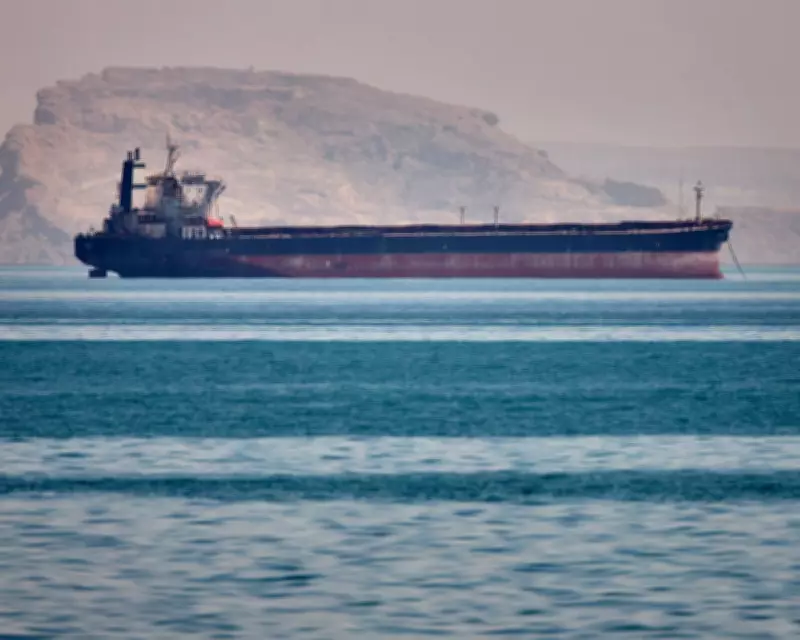
The strategic Strait of Hormuz has once again become a flashpoint in international relations as the United States Navy, under the direction of President Donald Trump, has bolstered its military presence in the region. This move has heightened tensions with Iran, raising fears of potential disruptions to global oil shipments and maritime trade.
US Naval Deployment
The deployment includes additional warships and aircraft, signaling a robust American commitment to ensuring freedom of navigation. The Trump administration has emphasized the importance of maintaining open sea lanes, particularly for oil tankers transiting the narrow waterway. Critics, however, warn that such a show of force could provoke Tehran into retaliatory actions.
Iranian Response
Iran has condemned the US buildup, describing it as a provocation. Tehran has previously threatened to block the strait in response to sanctions or military pressure. Analysts suggest that any confrontation in the region could have severe consequences for the global economy, given that approximately 20% of the world's oil passes through the Strait of Hormuz.

Global Implications
The heightened tensions have already impacted oil prices, with markets reacting nervously to the prospect of supply disruptions. Shipping companies are reassessing their routes, and insurance premiums for vessels in the area are expected to rise. The situation underscores the delicate balance of power in the Middle East and the enduring significance of this maritime chokepoint.
As both nations brace for potential escalation, the international community is urging restraint. Diplomatic channels remain open, but the path forward is fraught with uncertainty. The coming weeks will be critical in determining whether the standoff de-escalates or spirals into a broader conflict.