Trump's Shocking Claim on Iran's Supreme Leader
In a startling development, former US President Donald Trump has publicly speculated that Iran's Supreme Leader, Mojtaba Khamenei, might be deceased. During an interview with NBC News, Trump stated he was hearing reports that Mojtaba was "not alive," urging the new leader to surrender if he remains living. This assertion follows earlier rumours that Mojtaba was in a coma and had suffered severe injuries, including the loss of at least one leg, from recent strikes on Iran. Despite these claims, a statement attributed to Mojtaba emerged earlier in the week, issuing further threats against the United States, adding to the confusion surrounding his condition.
Escalating Conflicts and International Responses
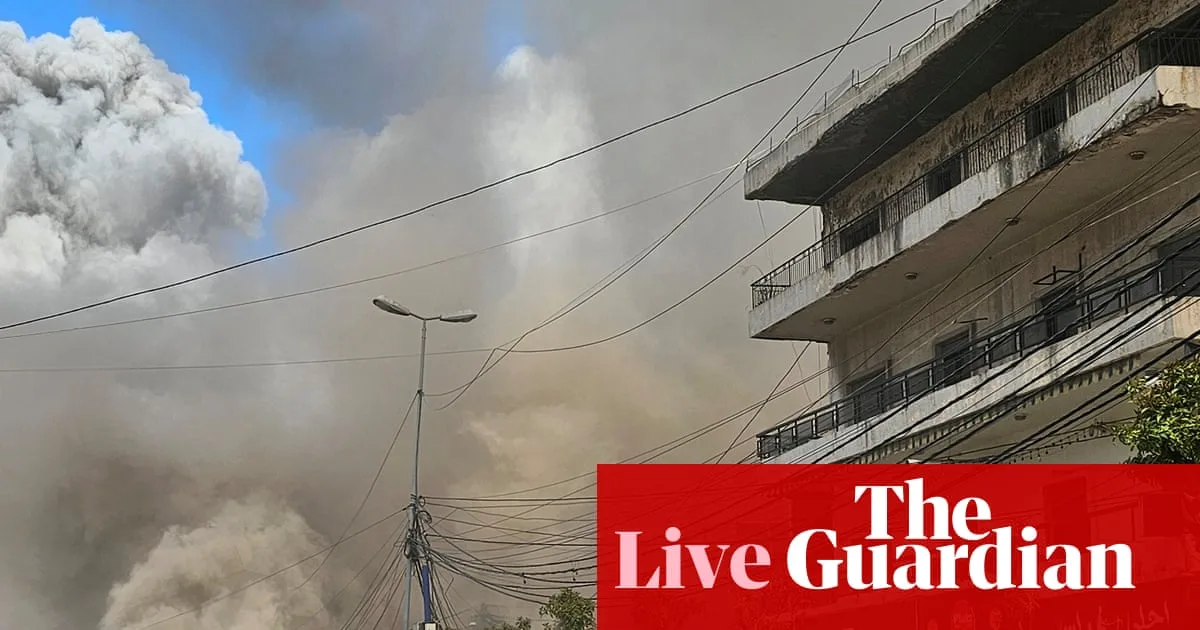
The situation in the Middle East has intensified dramatically, with multiple key events unfolding. Trump has rejected a ceasefire request from Iran, dismissing it as insufficient, even as global leaders and the United Nations call for de-escalation. Concurrently, heavy airstrikes have been reported in the central Iranian city of Isfahan, with videos showing fighter jets and thick smoke rising from various districts. The Israeli Defence Force has warned citizens to seek shelter due to incoming Iranian strikes, while Hezbollah has launched attacks towards northern Israel.
In response to the growing threat, the US Embassy in Baghdad has issued an urgent warning for American citizens to evacuate Iraq immediately, citing risks from Iran-aligned militias. Trump has also called on allies, including the UK and China, to deploy warships to the Strait of Hormuz to secure oil shipments, though France has publicly declined, urging an end to scaremongering. The UK Ministry of Defence is reportedly considering options, such as sending minehunting drones, to ensure regional security.
Humanitarian and Economic Impacts
The conflict has led to significant humanitarian crises and economic disruptions. An Israeli strike on a health centre in Lebanon resulted in the deaths of 12 medical workers, condemned by the World Health Organization. Formula 1 has cancelled races in Bahrain and Saudi Arabia scheduled for next month due to the ongoing instability, with no substitutions planned. Additionally, Kuwait International Airport reported drone attacks damaging its radar system, while the UAE arrested 45 individuals for sharing images related to Iranian attacks.
Economically, the crisis threatens to drive up energy bills globally, with UK Chancellor Rachel Reeves indicating potential support for households struggling with rising costs, particularly those using heating oil. The strategic Kharg Island, crucial for Iran's oil exports, has been targeted in US strikes, destroying over 90 military sites. Iran's foreign minister has criticised the US, claiming its security efforts are flawed and that it is now "begging" others for help in securing the Strait of Hormuz.
Diplomatic Moves and Regional Tensions
Diplomatic efforts are underway amidst the turmoil. French President Emmanuel Macron has expressed readiness to facilitate talks between Israel and Lebanon, urging Hezbollah to halt escalation and Israel to cease large-scale offensives. Meanwhile, a senior UAE diplomat condemned Iran's actions as showing "military impotence" and "moral bankruptcy," highlighting regional divisions. Iran has warned that Ukraine's drone support to Israel makes it a legitimate war target, further complicating international relations.
As tensions persist, with Trump doubling down on his calls for international intervention and Iran vowing to block the Strait of Hormuz, the situation remains volatile. The world watches closely, with developments likely to influence global security, energy markets, and diplomatic alliances in the coming days.