

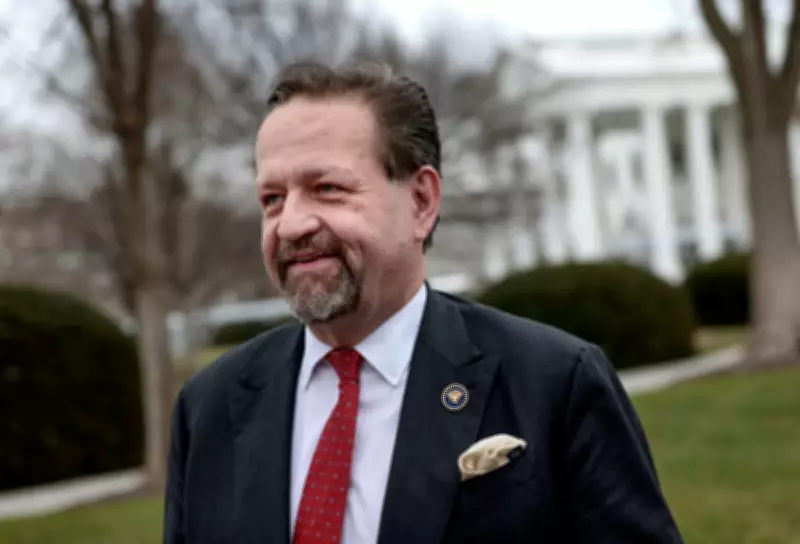
Former President Donald Trump’s counter-terrorism policy is once again under scrutiny following the controversial appointment of Sebastian Gorka to a key national security role. The move has reignited debates about the direction of US counter-terrorism efforts and the individuals shaping them.
Background of the Appointment
Sebastian Gorka, a former Trump administration official known for his hardline views on Islam and national security, has been appointed to advise on counter-terrorism strategy. Critics argue that Gorka’s past statements and associations raise concerns about the policy’s effectiveness and adherence to democratic values. Supporters, however, praise his uncompromising stance against extremism.
Policy Implications
The appointment signals a potential shift towards more aggressive counter-terrorism measures, including expanded surveillance and military action. Analysts warn that such approaches could alienate Muslim communities and undermine civil liberties. The policy also emphasizes border security and immigration restrictions as tools against terrorism.

- Increased focus on ideological screening for immigrants.
- Greater cooperation with foreign intelligence agencies.
- Potential revival of travel bans from certain countries.
Reactions and Criticism
Human rights organizations and Democratic lawmakers have condemned the appointment. The American Civil Liberties Union (ACLU) stated that Gorka’s views are “out of step with American values.” Meanwhile, some Republican figures have defended the choice, citing the need for strong national security.
The controversy underscores the deep partisan divide over how to combat terrorism while preserving freedoms. As the policy unfolds, its impact on US security and global alliances will be closely watched.






