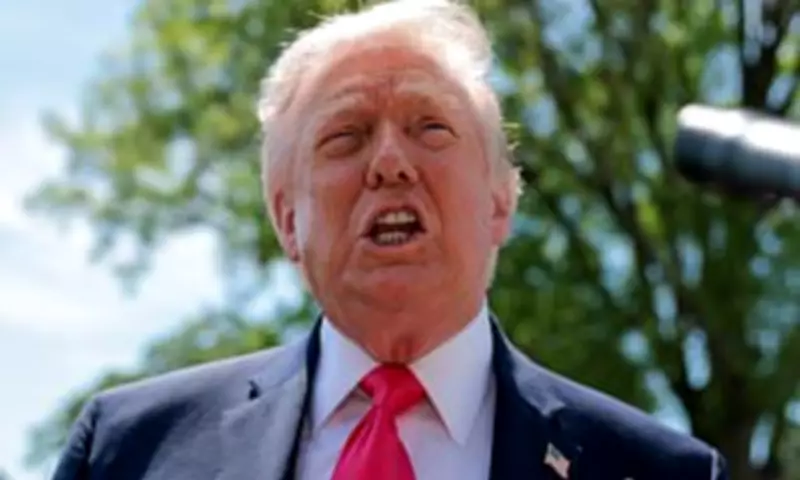
Trump Dismisses NATO Assistance Amid Hormuz Reopening and Oil Market Turmoil
In a stark diplomatic rebuff, former US President Donald Trump has publicly rejected an offer of help from NATO following Iran's decision to reopen the strategically vital Strait of Hormuz. The move comes as global oil prices experience a dramatic plunge, sending shockwaves through international markets and geopolitical circles.
Geopolitical Standoff Escalates
The Strait of Hormuz, a critical maritime chokepoint through which approximately one-fifth of the world's oil passes, had been a focal point of regional tension. Iran's reopening of the strait marks a significant de-escalation in one aspect of the ongoing conflict, but Trump's response has introduced new complexities into Western alliance dynamics.
"Stay away," Trump declared in his characteristically blunt manner, dismissing what he termed NATO's "useless" offer of assistance. This public rejection underscores the former president's longstanding skepticism of the transatlantic alliance and his preference for unilateral American action in foreign policy matters.

Oil Markets React Sharply
The immediate consequence of Iran's decision has been a substantial drop in global oil prices. After weeks of volatility and upward pressure due to the conflict, markets responded rapidly to the increased supply certainty, with prices falling significantly within hours of the announcement.
This price plunge represents a welcome relief for consumers and industries worldwide that have been grappling with elevated energy costs, but it also raises questions about long-term market stability in a region prone to sudden geopolitical shifts.
NATO's Offer and Trump's Rejection
NATO had reportedly prepared a coordinated response to help ensure the security of shipping lanes in the region, particularly through the Strait of Hormuz. The alliance's offer included naval support and intelligence sharing aimed at preventing further disruptions to global energy supplies.
Trump's dismissal of this assistance reflects his consistent foreign policy approach that prioritizes American sovereignty and questions the value of multilateral security arrangements. His comments have reignited debates about the future of NATO and America's role within the alliance.
Broader Implications for Global Security
The situation highlights the fragile balance of power in the Middle East and the interconnected nature of global energy security. While the reopening of the strait addresses immediate supply concerns, Trump's rejection of NATO involvement may have longer-term consequences for Western coordination in the region.
Analysts suggest that this episode could influence future diplomatic efforts and military posturing, particularly as various nations reassess their strategic interests in light of both the conflict resolution and the public rift between Trump and NATO leadership.
The coming days will likely see further developments as markets continue to adjust to the new reality and diplomatic channels work to manage the fallout from Trump's unequivocal rejection of allied assistance.