

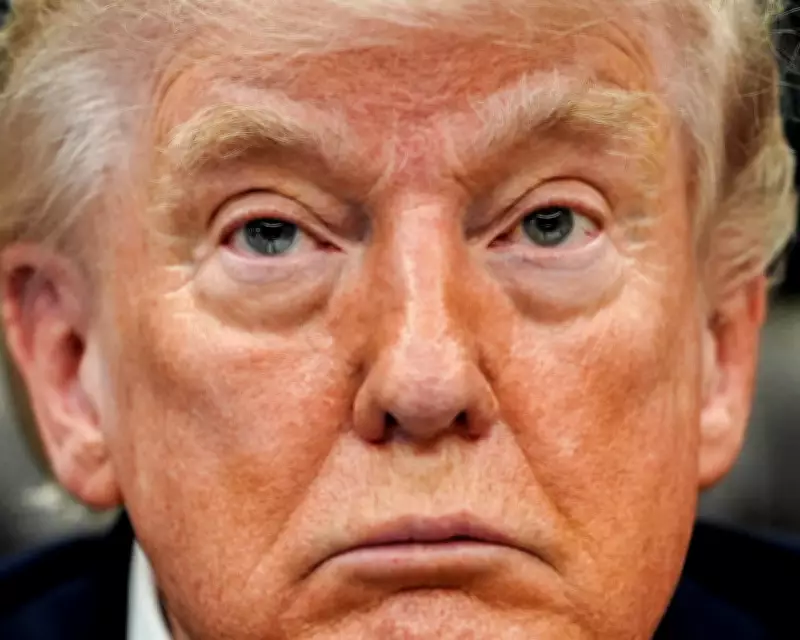
In a significant diplomatic move, former United States President Donald Trump has sent a high-level delegation to Pakistan, raising the possibility of renewed discussions about the ongoing conflict involving Iran. This development comes amid heightened tensions in the region and suggests a potential shift in international efforts to address the crisis.
Delegation Details and Objectives
The delegation, comprised of seasoned diplomats and advisors with close ties to Trump, arrived in Islamabad earlier this week. Their mission is believed to focus on exploring avenues for dialogue with Iranian representatives, possibly through Pakistani intermediaries. Sources indicate that the talks could cover a range of issues, from ceasefire negotiations to broader geopolitical strategies.
Regional Implications and Speculation
This initiative has sparked widespread speculation among analysts and policymakers. Some view it as an attempt by Trump to reassert influence in foreign affairs, while others see it as a pragmatic step towards de-escalation. The involvement of Pakistan, a key player in South Asian diplomacy, adds a layer of complexity to the situation, given its historical relationships with both the US and Iran.

Observers note that previous rounds of talks have yielded limited results, but this new effort could signal a more concerted push for resolution. The delegation's activities are being closely monitored by global powers, with many hoping for a breakthrough that could reduce hostilities and foster stability in the Middle East.
Challenges and Future Prospects
Despite the optimism, significant challenges remain. Iran's stance on the conflict has been firm, and any negotiations will require delicate handling to avoid further escalation. Additionally, the current US administration's position on such talks is unclear, potentially complicating the delegation's efforts.
As the delegation continues its work in Pakistan, the international community awaits further developments. The outcome of these talks could have far-reaching consequences for regional security and global diplomacy, making this a critical moment in the ongoing Iran conflict narrative.






