

Trump Administration Threatens Zambia's HIV Aid Over Mineral Access Demands
The Trump administration is reportedly considering significant cuts to HIV relief funding for Zambia if the country fails to meet a series of demands, primarily focused on granting the United States greater access to Zambia's natural mineral resources. According to a draft memo prepared for Secretary of State Marco Rubio by the Bureau of African Affairs, seen by The New York Times, this assistance could be "significantly cut" as early as May, with the administration pushing for a new deal that ties health funding to economic concessions.
Critical HIV Aid at Risk
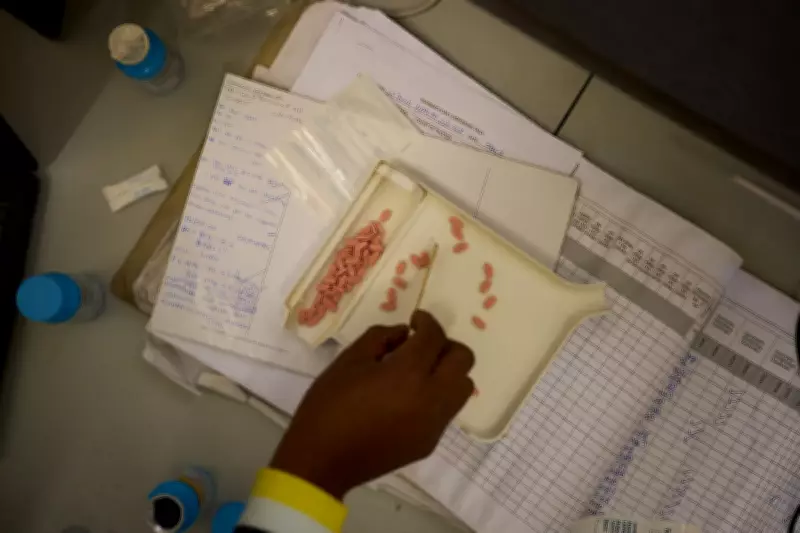
Zambia has been a major beneficiary of the President's Emergency Plan for AIDS Relief (PEPFAR), receiving over $6 billion in HIV/AIDS assistance over the past two decades, as confirmed by the U.S. Embassy in Zambia. PEPFAR, a U.S. global HIV/AIDS response program initiated in 2003, has invested more than $110 billion worldwide and saved an estimated 26 million lives. In Zambia, it supports antiretroviral medications for approximately 1.3 million people, with 42% of these drugs provided through PEPFAR, according to a study in the National Library of Medicine. The program also funds medications to prevent mother-to-child transmission and other essential health services.
Demands and Proposed Deal
The draft proposal outlines a new five-year agreement where the U.S. would provide Zambia with $1 billion in health funding, which is less than half the previous health assistance amount before Trump's second term. This deal requires Zambia to commit $340 million of its own funds to new health initiatives. Crucially, it mandates that Zambia give U.S. companies enhanced access to its substantial reserves of lithium, copper, and cobalt, aiming to counter China's preferential access to Zambian mines. Additionally, the agreement would force negotiations over mining industry regulations.

Potential Consequences and Administration Stance
The memo warns that if Zambia does not agree by May, the U.S. may employ "the potential use of sticks," including "sharp public cuts to American foreign assistance," to demonstrate seriousness under its "America First" policy. This approach is part of a broader push by the Trump administration to encourage African countries to increase their own healthcare spending. Zambians like Julius Kachidza, who lives with HIV, express fear that aid cuts could be devastating, as the government lacks capacity to fill the gap, potentially affecting millions reliant on these medications.
The State Department has been approached for comment, highlighting ongoing tensions in global aid dynamics.






