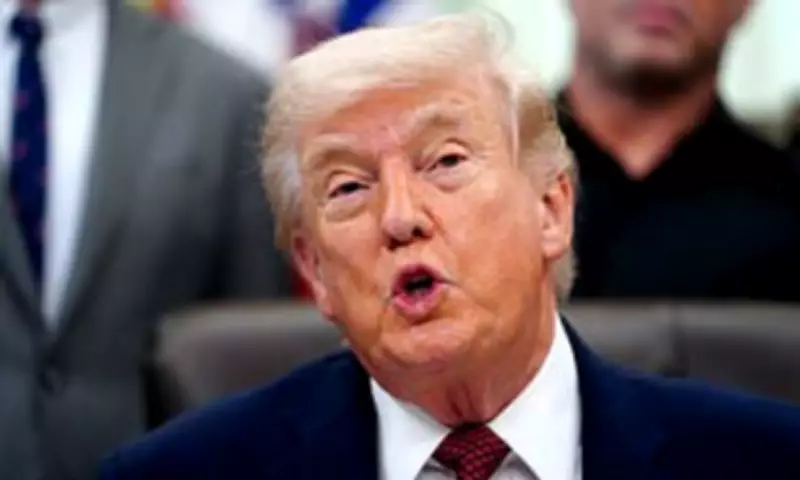
Sources close to former President Donald Trump have indicated that he is highly unlikely to extend a ceasefire in ongoing international conflicts, according to recent reports. This stance has sparked concerns among diplomats and policymakers about the potential impact on global stability and peace efforts.
Trump's Stance on Ceasefire Extension
Insiders reveal that Trump's position on the ceasefire is firm, with little room for negotiation or extension. This decision is based on his long-standing foreign policy approach, which prioritizes strategic interests over prolonged diplomatic pauses. Analysts suggest that this move could signal a shift in how future conflicts are managed, potentially leading to increased tensions in volatile regions.
Implications for Global Diplomacy
The reluctance to extend the ceasefire raises questions about the effectiveness of current diplomatic strategies. Experts warn that without continued dialogue, conflicts may escalate, affecting not only the involved parties but also international relations broadly. This development underscores the challenges in balancing military objectives with peacekeeping efforts in modern geopolitics.

Reactions from Political Circles
Political figures have expressed mixed reactions to Trump's reported stance. Some allies support his hardline approach, arguing it strengthens national security, while critics caution that it could undermine years of diplomatic progress. The debate highlights the ongoing partisan divide over foreign policy and conflict resolution methods.
As discussions continue, the focus remains on how this decision will influence future ceasefire negotiations and the broader landscape of international diplomacy. Observers are closely monitoring the situation for any updates or changes in Trump's position, which could have far-reaching consequences for global peace and security.