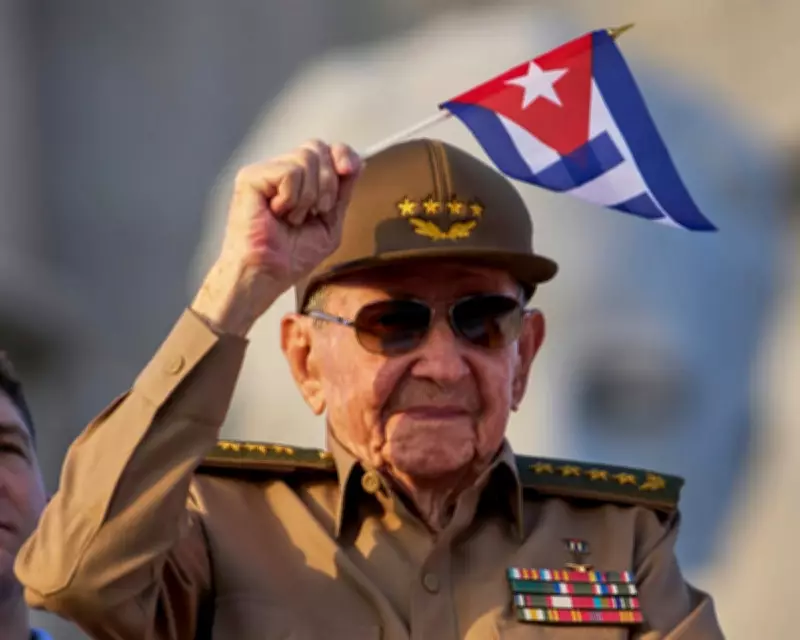
The United States is escalating its economic and military pressure on Cuba, as the Trump administration pursues a strategy of isolation and coercion against the island nation. Reports indicate that federal prosecutors are preparing an indictment for Raúl Castro, the 94-year-old former president and brother of Fidel, while US surveillance flights circle overhead. President Donald Trump has boasted that after the removal of Venezuela's Nicolás Maduro, 'Cuba is next'.
Humanitarian Crisis Deepens
The US oil blockade has plunged Cuba into a severe humanitarian crisis, triggering nationwide blackouts that have led to rare public protests. Schools and universities have been closed, and hospitals are struggling to treat patients amid fuel shortages. The Cuban government admitted on Wednesday that fuel oil had run out, while tourism has collapsed and foreign investments have been withdrawn. The Canadian mining company Sherritt pulled out of a joint venture, and several countries have terminated contracts for Cuban doctors, a vital source of income and medical expertise.
US Demands and Threats
CIA Director John Ratcliffe recently traveled to Cuba to demand 'fundamental changes', including economic reforms, the closure of Chinese and Russian intelligence posts, and reportedly the removal of President Miguel Díaz-Canel. Secretary of State Marco Rubio, a Cuban-American with a long history of hardline stances, is a key figure in shaping policy. The administration's tough approach resonates with Trump's base, which includes many Cuban-Americans who support a firm line against Havana.

While a full-scale military assault remains unlikely due to the risks and ongoing conflicts elsewhere, Washington hopes that economic strangulation and threats will suffice. UN experts have warned that the blockade is unlawful, violates human rights, and may constitute collective punishment. The decades-long embargo has been punitive, but Cubans' anger towards the US does not preclude frustration with their own leaders, who failed to implement promised economic reforms during the Obama-era thaw and launched a disastrous currency restructuring in 2021.
Internal Dynamics and Future Prospects
Within Cuba, there are factions with vested interests in the status quo, particularly the military-run conglomerate Gaesa, which controls a large portion of the economy. However, some officials believe they could benefit from a deal with the US. Cuba's deputy prime minister, Óscar Pérez-Oliva Fraga, has expressed openness to relationships with US companies in key sectors, but Washington deems this insufficient.
In the past, Trump Organization officials explored possibilities for golf and hotel developments in Cuba. A massive expansion of the private sector, resource extraction, and foreign investment on US terms would likely benefit American businesses and a few well-connected Cubans, rather than the population at large. Cubans, who are highly educated, seek change that offers dignity for older generations and opportunities for the young. Instead, they face ongoing collapse, a potentially sordid deal, or even military attack. Trump speaks of 'taking' Cuba, but the island belongs to its people.