In an exclusive analysis, a language expert has decoded Donald Trump's dramatic shift in rhetoric following the announcement of a fragile two-week ceasefire with Iran. This comes just days after the US President issued a chilling 'Armageddon' threat that he claimed kept the world awake at night.
From Armageddon to Celebration
The United States, Iran, and Israel reached a conditional two-week ceasefire on Wednesday following a public plea from Pakistan's Prime Minister for additional time to bring the warring nations together for diplomatic discussions. This last-minute agreement prevented what Trump had previously warned would be the destruction of "a whole civilization" if no deal was reached.
The Salesman's Pitch
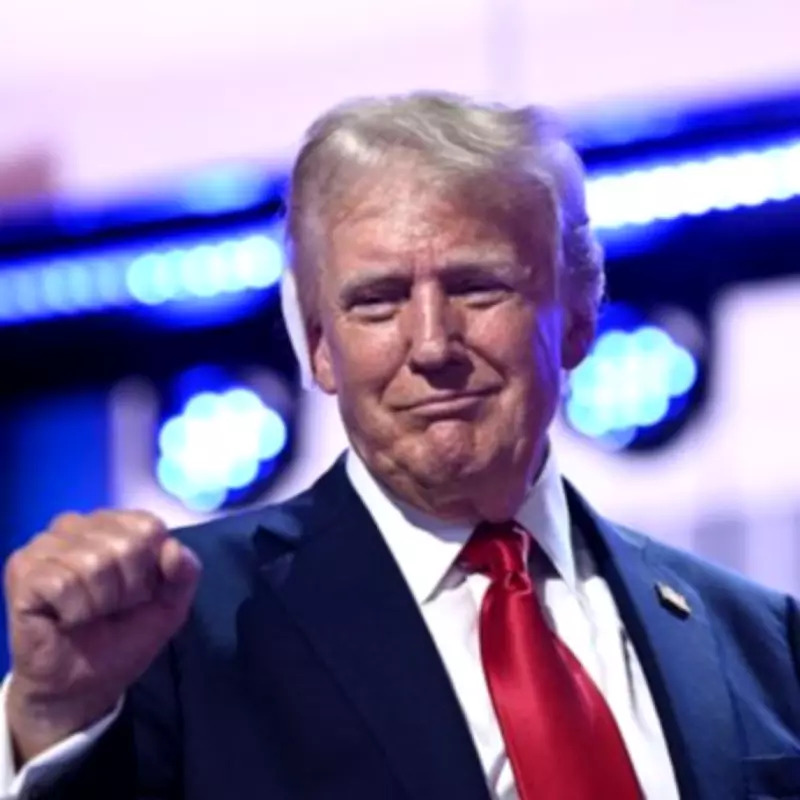
Body language and language analyst Judi James revealed that Trump "adopted the tone of a salesman" in his subsequent message about achieving "peace" in the Middle East. The expert noted that the President used colloquial language and soundbites to craft what resembled a motivational advertisement rather than a formal diplomatic announcement.

After announcing the ceasefire, Trump posted on his Truth Social platform: "A big day for World Peace! Iran wants it to happen, they've had enough! Likewise, so has everyone else! The United States of America will be helping with the traffic buildup in the Strait of Hormuz. There will be lots of positive action! Big money will be made."
Decoding the Message
James explained that Trump's celebratory tone marked a complete reversal from his previous threatening posture. "He is straight into the celebration with his 'A big day for World Peace!' with the exclamation mark announcing a desire to stir up positive excitement," she noted. "The random use of capitals on 'World' and 'Peace' makes it look like a brand name."
The language expert revealed how Trump potentially used this message to reshape public opinion about his approach to the Iran conflict. "This soundbite is important as, after making us all lose sleep with his 'Armageddon' post, he is announcing the idea that we can now all come out from under our duvets and go out dancing in the streets," James added.
Economic Implications and Conditions
Trump's post also saw the President boast about this potentially being the "Golden Age of the Middle East" while claiming "big money will be made." He specifically mentioned the United States would be "helping with the traffic buildup" in the strategically vital Strait of Hormuz, whose previous closure had sent global oil prices skyrocketing.
Despite the optimistic language, the two-week ceasefire remains conditional in nature. Washington has yet to publicly accept an invitation to talks planned for Friday in Islamabad, and some points in Iran's 10-point ceasefire proposal have previously been rejected by the United States in past negotiations.
The Path Forward
In his ceasefire announcement, Trump stated: "We received a 10 point proposal from Iran, and believe it is a workable basis on which to negotiate. Almost all of the various points of past contention have been agreed to between the United States and Iran, but a two week period will allow the Agreement to be finalized and consummated."
The dramatic shift from apocalyptic warnings to celebratory language represents a significant rhetorical pivot that experts believe is designed to reshape public perception of the ongoing Middle East conflict and position the United States as both a military power and economic beneficiary in the region.