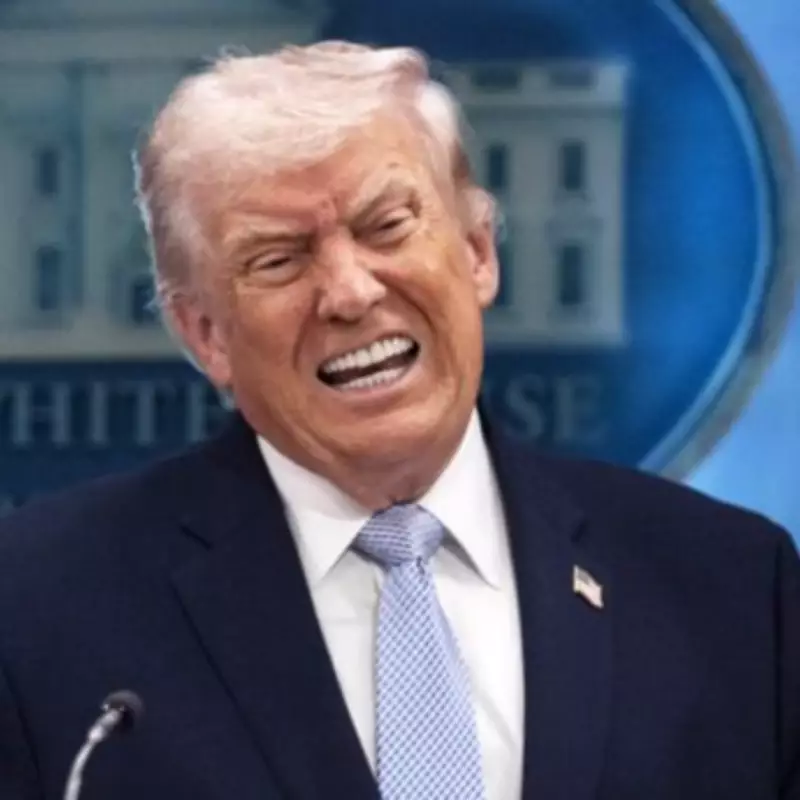
Trump's Apocalyptic Warning to Iran Precedes Fragile Ceasefire Agreement
In a dramatic escalation of tensions, former US President Donald Trump issued a chilling threat to Iran, declaring that "a whole civilisation will die tonight" if demands were not met. This stark warning, delivered via social media, specifically targeted Iran's power plants and bridges for bombing—a move that many international observers and legal experts have cautioned could constitute war crimes under international law.
Deadline Diplomacy and Last-Minute Ceasefire
Trump set an 8pm US Eastern Time deadline for Iran to agree to a deal reopening the Strait of Hormuz, a critical global oil chokepoint that has been the focal point of conflict for over five weeks. At the eleventh hour, however, he revealed a breakthrough: a two-week ceasefire agreement had been reached with the Iranian regime. This pause in hostilities was brokered by Pakistan and centres on a ten-point peace plan, which Trump has publicly described as "workable."
The ceasefire terms require Iran to permit "safe passage" through the Strait of Hormuz, coordinated with its armed forces, for the duration of the truce. In response, Trump has pledged to suspend all bombing and attacks on Iran, contingent upon Iran's compliance with the strait's reopening. He announced this in a social media post, emphasising "COMPLETE, IMMEDIATE, and SAFE OPENING" as non-negotiable conditions.

Global Reactions and Regional Implications
Trump's initial threat prompted a fierce response from Iran, which vowed to plunge the entire region into "complete darkness" and cut off oil and gas supplies to America and its allies for years. Reports indicated that American B-52 bombers were en route to Iran before the ceasefire was announced, heightening fears of an imminent military confrontation.
In the aftermath of the agreement, Trump declared "complete victory" and labelled the day as "a big day for world peace," asserting that Iran had "had enough." He added that the US would assist with traffic management in the strait and predicted "big money will be made" during Iran's reconstruction phase. Meanwhile, Israel's Prime Minister Benjamin Netanyahu expressed support for the US-led ceasefire but clarified that it does not cover ongoing conflicts with Hezbollah in Lebanon. His office reiterated Israel's backing for US efforts to neutralise Iran's nuclear and missile threats.
Path Forward and Uncertain Peace
The two-week ceasefire window is intended to facilitate negotiations over the ten-point proposal, which Trump believes could lead to a "finalized and consummated" armistice. He described it as a "double sided CEASEFIRE," justified by having "met and exceeded all Military objectives" and progress toward a "definitive Agreement concerning Long-term PEACE with Iran, and PEACE in the Middle East."
This development follows weeks of heightened tensions, with the Strait of Hormuz at the centre of geopolitical strife. The international community now watches closely as peace talks unfold, balancing relief over the temporary de-escalation with concerns about the long-term stability of the region and the precedent set by such ultimatums.