Ukraine War Briefing: Quick Loan in Pipeline as Druzhba Reopens
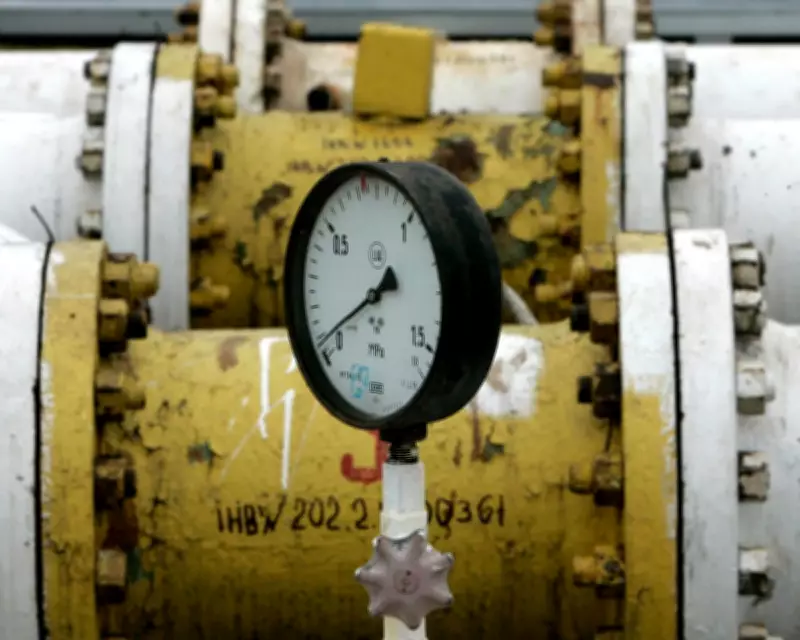
Russian oil can flow again through the Druzhba pipeline to Hungary and Slovakia, Ukrainian President Volodymyr Zelenskyy announced on Tuesday. This development follows Ukraine's repair of damage from a Russian attack on the infrastructure. The pipeline, which runs through Brody, approximately 460 kilometres west of Kyiv, is now operational, with Reuters reporting that pumping is set to resume on Wednesday, according to an industry source.
EU Loan Unblocking Expected
With the pipeline reopening, Kyiv anticipates the European Union will unlock a €90 billion loan package that had been blocked for months by Hungarian Prime Minister Viktor Orbán. Orbán, who is about to leave office after a significant defeat in national elections, had previously obstructed the financial aid. President Zelenskyy stated, "There can now be no grounds for blocking it," referring to the loan. EU Foreign Policy Chief Kaja Kallas, speaking after a meeting of EU foreign ministers in Luxembourg, expressed optimism, expecting a positive decision within 24 hours.
Despite the resumption of oil flows, Zelenskyy has consistently urged Europe to diversify its energy supplies and avoid reliance on Russian oil via Druzhba. He cautioned on Tuesday, "No one can currently guarantee that Russia will not repeat attacks on the pipeline infrastructure," highlighting ongoing security risks.

Military Draft Officers Arrested in Odesa
In a separate incident, Ukrainian authorities arrested military draft officers in Odesa for alleged misconduct. The Security Service of Ukraine (SBU) detained four officers from the local territorial recruitment centre after a confrontation involving gunfire. Agents, including special forces, shot at the tyres of a vehicle as the officers attempted to escape. The SBU is investigating the group for extortion, accusing them of snatching people from the streets and using threats of immediate deployment to the frontline to extort money. The perpetrators face up to 12 years in prison with confiscation of property if convicted.
GCHQ Warns of Russian Cyberwar Threats
Richard Horne, head of the National Cybersecurity Centre at Britain's signals intelligence agency GCHQ, will warn on Wednesday that Moscow is extending its Ukraine war tactics into cyberspace to target the UK and Europe. Speaking at the CyberUK conference in Glasgow, Horne will point to "sustained Russian hybrid activity" and emphasise that companies must understand these methods to defend themselves effectively.
In recent months, countries such as Sweden, Poland, Denmark, and Norway have reported Russian-linked hackers targeting critical infrastructure, including power plants and dams. Horne will note that in Britain, the NCSC handles around four "nationally significant" cyber incidents weekly, with the most severe threats originating from state-sponsored attacks by nations like Russia, China, and Iran.
He will caution that in a conflict scenario, the UK would likely face cyber-attacks "at scale," unlike ransomware attacks by criminal hackers where payments might offer a way out. For this reason, Horne will stress that every organisation must comprehend the "full extent" of the risks and enhance their cyber defences to mitigate potential damage.