US-Iran Ceasefire Hangs in Balance as Deadline Approaches
The Gulf region remains trapped in a precarious state between war and peace, with a critical ceasefire between the United States and Iran due to expire imminently. Despite initial hopes for de-escalation, both nations have recently ramped up hostile rhetoric, casting doubt on the prospects for a durable resolution. The situation presents a stark choice: a potential pathway to lasting peace or a descent into renewed violence, accompanied by further loss of life, widespread destruction, and severe economic repercussions.
Diplomatic Moves Under Pressure
US Vice-President JD Vance is poised to lead a diplomatic delegation to Islamabad, Pakistan, contingent on Iran's agreement to participate in further talks aimed at ending the conflict. Tehran has sent conflicting signals regarding its attendance, and as of the latest updates, its participation remains uncertain. Time is of the essence, with the current two-week ceasefire set to lapse in less than 48 hours, adding urgency to the diplomatic efforts.
In an exclusive analysis for the First Edition, Patrick Wintour, the Guardian's diplomatic editor, explores whether a permanent peace is attainable or if the world must prepare for a new escalation. The stakes are incredibly high, with global stability and economic security hanging in the balance.

Key Stumbling Blocks in Negotiations
Wintour identifies two primary issues that must be addressed in any substantive talks, both of which are unlikely to be resolved in a single negotiating session. The first revolves around the longstanding nuclear dispute, specifically the fate of Iran's stockpile of highly enriched uranium and its right to continue enrichment activities on its own soil. Debates persist over whether a suspension should last five years or extend to two decades.
Although most of Iran's enrichment facilities have been destroyed by US and Israeli actions, it is estimated that Tehran still holds approximately 440 kilograms of uranium enriched to around 60%. The US is pushing for this material to be transferred to Washington or a neutral third party, such as Russia, as part of any agreement.
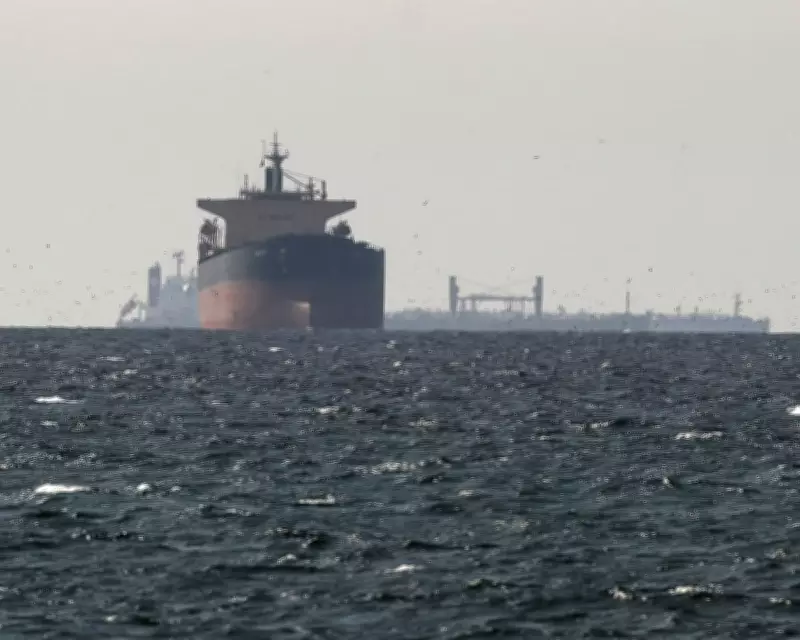
The second major point of contention involves the strategic Strait of Hormuz. Discussions centre on whether a long-term mechanism should be established, potentially requiring ships to pay tolls or seek Iranian permission for passage. This issue highlights the geopolitical leverage Iran wields due to its control over this vital maritime chokepoint.
Escalating Threats and Regional Risks
Former US President Donald Trump has reiterated threats to target civilian infrastructure in Iran, including power plants and bridges, if Tehran does not concede to US demands regarding its nuclear programme and the reopening of the Strait of Hormuz. Such actions, experts warn, could constitute war crimes. On the Iranian side, deep mistrust of American intentions persists, fueled by past attacks during negotiations. Iranian officials have dismissed US proposals as "unserious" and warned of readiness to unveil new military capabilities.
Wintour cautions against complacency, noting that bellicose rhetoric has become normalized, yet the potential for catastrophic escalation remains. "The scale of what could happen is so immense and daunting that people really need to focus on how dangerous this situation is," he emphasizes. Risks include attacks on critical infrastructure like desalination plants, which could precipitate water shortages in Gulf states, and broader global impacts such as fertiliser supply collapses threatening food security worldwide.
Pathways to Peace Amid Tensions
Despite the challenges, Wintour asserts that a lasting peace is feasible. A potential framework could involve allowing Iran a civilian nuclear programme in the future, coupled with economic incentives as sanctions are lifted. "I think it's all quite doable. Iranian politicians would respond to that," he explains, suggesting that a shift in Western policy towards engagement and trade, rather than confrontation, could help moderate Tehran's stance.

The outcome hinges on whether diplomatic channels can overcome mutual intransigence. As the ceasefire deadline looms, the international community watches closely, aware that the next steps could either avert a broader conflict or plunge the region into deeper turmoil.